Book a Consultation

Small restaurant renovation ideas on a budget

Small restaurant renovation ideas on a budget

Running a restaurant is about much more than serving great food. The atmosphere, layout, and overall design of your space play a crucial role in shaping customer experience. However, many restaurant owners assume that upgrading their interiors requires a massive investment. The truth is that small restaurant renovation ideas on a budget can deliver impressive results without draining your finances. A strategic renovation can improve customer comfort, enhance brand identity, and even increase table turnover. From smarter seating arrangements to creative décor updates, affordable improvements can transform the perception of your restaurant.  Whether you run a cozy café, a small bistro, or a fast-casual dining spot, implementing restaurant renovation ideas on a budget can refresh your space and attract more customers. In this guide, we explore practical budget restaurant remodeling ideas and design upgrades that are cost-effective yet impactful. These tips will help restaurant owners modernize their spaces while keeping renovation costs manageable. Why Small Restaurant Renovations Matter In a competitive hospitality industry, visual appeal and comfort significantly influence customer decisions. Even subtle interior improvements can reshape how people perceive your restaurant. Here are some benefits of affordable restaurant renovation strategies: 1. Improved Customer Experience: Customers spend more time in spaces that feel comfortable and visually appealing. Simple upgrades like better lighting, improved seating layouts, or fresh décor can elevate the dining atmosphere. 2. Stronger Brand Identity: Interior design reflects your brand. Renovations allow restaurants to align décor, colors, and furniture with their concept and target audience. 3. Higher Customer Retention: A refreshed environment encourages repeat visits. Customers are naturally drawn to restaurants that look modern and well-maintained. 4. Increased Operational Efficiency: Renovations often improve workflow in kitchens and dining areas, helping staff serve customers faster and more efficiently. Smart Small Restaurant Renovation Ideas on a Budget Renovating a restaurant does not always require major structural changes. Many impactful upgrades involve creative design decisions rather than expensive construction. Below are some budget restaurant remodeling ideas that deliver strong results. 1. Upgrade Lighting to Improve Ambiance Lighting is one of the most affordable yet powerful ways to change a restaurant’s atmosphere. Replacing outdated lighting fixtures with modern options can instantly enhance the dining environment. Warm pendant lights above tables create a cozy atmosphere, while track lighting can highlight décor elements or menu boards. Some cost-effective lighting improvements include: Lighting upgrades not only improve ambiance but also help reduce electricity costs when energy-efficient fixtures are used. 2. Refresh Walls with Paint or Creative Décor A simple paint job can dramatically transform a restaurant’s interior without requiring a large budget. Neutral tones like beige, warm gray, or off-white create a modern aesthetic, while accent walls add personality and visual interest. Affordable wall renovation ideas include: 3. Optimize the Restaurant Layout Small restaurants often struggle with limited space. Renovations provide an opportunity to rethink the layout and improve seating efficiency. By rearranging tables or switching to compact seating options, restaurants can create a more comfortable dining experience without expanding their space. Some layout improvement ideas include: Having a well-optimized layout ensures smoother movement and better utilization of available space. 4. Upgrade Flooring Without Major Construction Restaurant floors experience heavy traffic, so replacing worn-out flooring can significantly improve aesthetics. Fortunately, modern flooring options are both durable and budget-friendly. Affordable flooring upgrades include: These options provide durability while enhancing the overall design of the restaurant. 5. Modernize the Restaurant Entrance The entrance is the first thing customers notice when they approach your restaurant. A welcoming entryway can attract walk-in traffic and create a strong first impression. Simple entrance renovation ideas include: Even small improvements to the entrance can dramatically improve curb appeal. 6. Introduce Greenery and Natural Elements Adding plants is an affordable way to enhance the atmosphere of a restaurant. Indoor plants bring freshness, color, and a sense of relaxation to dining spaces. Popular plant options for restaurants include: Greenery complements many design styles and helps create a welcoming environment. 7. Upgrade Furniture Strategically Instead of replacing all furniture, consider selective upgrades that create visual impact. For example, replacing only chairs or tabletops can make the restaurant look completely refreshed. Budget furniture upgrades include: These changes enhance design without requiring a complete furniture overhaul. Affordable Kitchen Renovation Ideas The kitchen is the centre of the restaurant’s activities, even if the dining room draws patrons. Improving the kitchen layout can increase efficiency and reduce delays during busy hours. Some budget restaurant remodeling ideas for kitchens include: Improve Kitchen Workflow Reorganizing cooking stations can reduce staff movement and improve efficiency. Upgrade Storage Systems Adding wall-mounted shelves or modular storage units helps maximize space in compact kitchens. Replace Outdated Equipment Energy-efficient appliances improve productivity while lowering operating costs. Planning Your Restaurant Renovation Renovating a restaurant requires careful planning to avoid unexpected expenses and operational disruptions. Here are a few important steps to consider before starting your renovation project. Create a Renovation Budget: Determine how much you can realistically spend. Focus on improvements that deliver the highest impact for the lowest cost. Identify Priority Areas: Not every part of the restaurant needs renovation. Identify areas that influence customer experience the most, such as entrances, seating areas, and lighting. Work with Experienced Professionals Even budget renovations benefit from professional guidance. Working with a reliable Toronto commercial construction company ensures that renovations are safe, efficient, and compliant with regulations. Professional contractors can also suggest cost-effective solutions that maximize your renovation budget. Follow a Renovation Checklist Follow a Renovation Checklist Before beginning any renovation work, it is essential to follow a structured restaurant remodeling checklist. A well-prepared checklist ensures that every stage of the project is planned carefully, helping restaurant owners avoid delays, unexpected costs, or compliance issues. Start by confirming whether your renovation requires municipal permits, health department approvals, or building inspections, especially if structural changes, plumbing updates, or electrical upgrades are involved. Next, finalize your design plans, renovation budget, and construction timeline so that all contractors and suppliers are aligned on the scope of work. A reliable checklist should … Read more
Restaurant renovation checklist for Owners

Restaurant renovation checklist for Owners

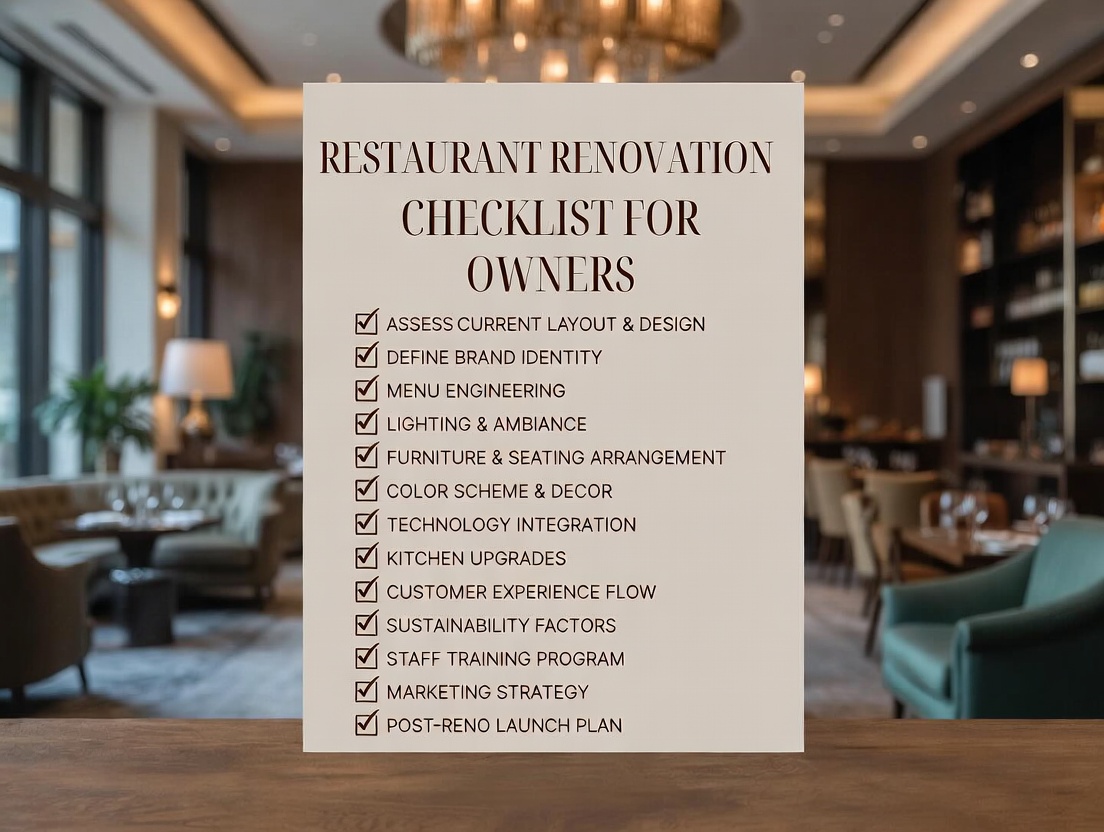
Most restaurant renovations don’t begin with excitement. They begin with irritation. A chair that wobbles. A server bumping into guests during rush hour.  A kitchen corner everyone avoids because it’s awkward, cramped, or both. Over time, these small annoyances pile up until renovation stops feeling optional and starts feeling necessary. This guide is written for restaurant owners who live that reality. Not architects. Not Pinterest dreamers. Real owners who still have to open tomorrow while thinking about tearing the place apart. Why Restaurant Renovations Actually Happen Very few owners renovate just for aesthetics. More often, it’s customers quietly voting with their feet or staff burning out faster than expected. One Toronto café owner noticed that even when the food was getting great reviews, people weren’t staying long.  The problem wasn’t the menu, it was harsh lighting and uncomfortable seating. A simple redesign changed the entire vibe and improved table turnover without touching the kitchen. Renovations usually start when the space no longer supports the business you’ve become. Start With a Clear Reason, Not Just a Mood.  Before you start looking at tiles, fixtures, or color palettes, it helps to pause and ask one honest question: What exactly isn’t working right now? Maybe the service feels slow even when the kitchen is on point. Maybe customers avoid certain tables. Maybe your brand has evolved, but your interiors haven’t caught up.  One restaurant owner planned a full remodel, only to realize that rearranging seating and improving circulation solved most of their problems. When the “why” is clear, the renovation becomes focused instead of expensive guesswork. Budgeting: Where Optimism Meets Reality Almost every renovation budget looks neat on paper and messy in real life. A restaurant in Mississauga once budgeted carefully for finishes and furniture, only to discover outdated electrical work hiding behind the walls. The delay and added cost weren’t catastroph, but they were stressful. A realistic restaurant renovation budget isn’t pessimistic; it’s prepared. It accounts for permits, inspections, unexpected fixes, and a little breathing room. That extra margin often ends up being the difference between a smooth project and a sleepless one. Permits and Compliance (The Part No One Loves) Permits aren’t exciting, but skipping them always comes back to haunt you. Health regulations, fire safety rules, ventilation standards, and accessibility requirements all matter more than people expect. One failed inspection can stall a project for weeks. Owners who work with experienced teams in building construction in Toronto often say the biggest benefit isn’t speed, it’s fewer surprises. When approvals are handled properly from the start, renovations move forward instead of sideways. Design That Works in Real Life, Not Just Photos Good design looks nice. Great design makes daily operations easier. One fine-dining restaurant invested heavily in décor but forgot about acoustics.  The space looked stunning, but guests struggled to hear each other. Another café focused on flow, lighting, and comfort, and saw customers stay longer without even realizing why. Design decisions should always come back to how people move, sit, work, and interact. The same logic applies in modern home addition ideas, spaces should feel natural, not forced. Choosing the Right Contractor Matters More Than You Think Hiring a contractor is one of the most important renovation decisions you’ll make. A Toronto restaurant owner once chose the lowest quote and spent the next year fixing small issues that shouldn’t have existed in the first place. Experienced home renovation contractors in Toronto and Mississauga understand restaurant timelines, inspections, and how costly downtime can be. Clear communication, realistic schedules, and accountability matter far more than a cheap number on a proposal. Timelines That Respect Reality Renovation timelines have a habit of stretching. Materials get delayed. Inspections get rescheduled. Custom elements take longer than promised. None of this means the project is failing, it just means it’s real. Some owners plan renovations during slower seasons. Others split projects into phases to keep doors open. One café renovated its dining area first and tackled the kitchen later, staying operational throughout. That kind of planning doesn’t eliminate stress—but it keeps it manageable. The Kitchen: Where Renovations Actually Pay Off The kitchen doesn’t need to look impressive. It needs to work. One quick-service restaurant redesigned prep stations and reduced order times significantly, without buying new equipment. The improvement came from better placement, not bigger budgets. When the kitchen flows, staff move with confidence, mistakes drop, and service speeds up. That’s where renovation returns show up quietly, shift after shift. Branding and Guest Experience Still Matter Renovation is also about how your restaurant feels. Lighting, seating, colors, and layout shape the experience more than most owners realize. Guests might not comment on these details, but they respond to them. People remember places where they feel comfortable. Where conversations flow. Where food looks good under the lights. Renovation is your chance to make the space match the experience you want to deliver. The Final Walkthrough You Should Never Skip Before reopening, walk through your restaurant slowly. Open doors. Turn lights on and off. Check water pressure. Look at signage from a guest’s perspective. One owner skipped this step and discovered a jammed door during peak hours, not a great first impression. Small issues are easier to fix before customers walk back in. Avoiding the Most Common Renovation Regrets Most renovation regrets come from rushing, rushing planning, rushing budgets, or rushing decisions. The same lessons apply here as things to know before building a custom home. Thoughtful preparation always costs less than fixing mistakes later. Final Thoughts Restaurant renovation isn’t about perfection. It’s about creating a space that supports your food, your staff, and your growth. With clear goals, realistic planning, and the right people involved, renovation becomes a turning point, not a setback. When the space works better, everything else follows. And that’s when the noise of renovation finally fades into the sound every owner wants to hear, happy customers and a busy dining room.

Commercial Building Permits: What You Need to Know

Commercial Building Permits guide

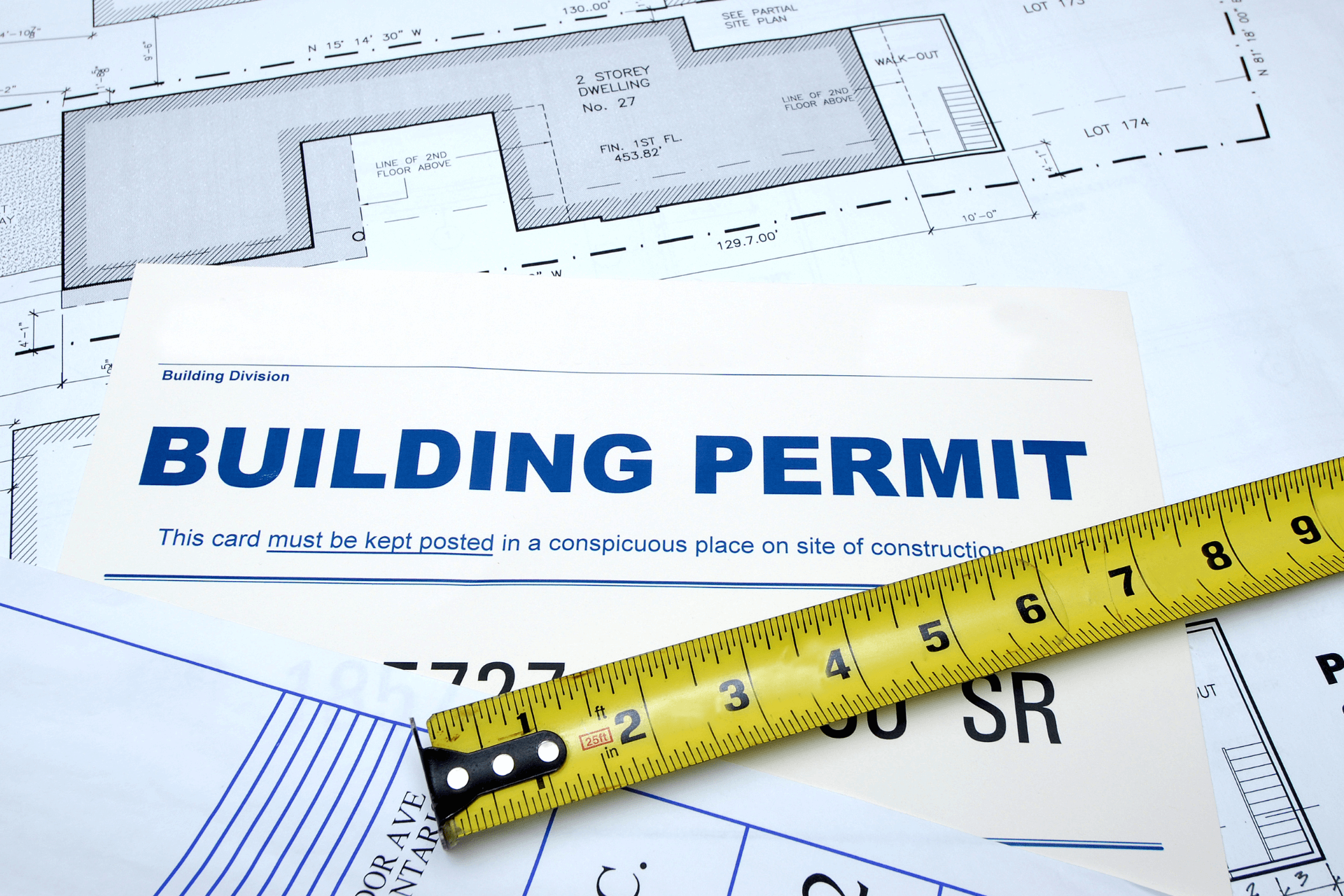
Do you intend to begin building on your business property?  If this is the case, it’s critical to comprehend how to apply for a commercial building permit, and it’s the most important first step.  Obtaining a permit can be overwhelming, but it’s essential to ensuring your project is safe, compliant, and ready to proceed. In this post, we’ll provide a comprehensive guide to obtaining a permit for your business.   What is the Need for a Building Permit? Every time a new structure is being constructed or an old building is being significantly altered, local and state governments demand building permits. Permits are crucial because they guarantee that any development is safe, legal, and built to standard.  Additionally, they ensure that the project won’t negatively impact nearby homes or overspend on local resources or infrastructure. How to Apply for a Commercial Building Permit Construction plans are first reviewed and approved by your local building department.  To make sure the project is designed and carried out in accordance with local building codes and standards, they arrange for recurring building inspections prior to issuing building permits. While permit procedures vary in specific ways, they are similar across towns and projects, where they come in a variety of forms, including commercial and residential. It is usually advisable to get in touch with the building department and provide them with the project address before submitting an application for a construction permit so they can verify if the property is under their jurisdiction. The majority of building departments will only grant building permits to contractors who hold one of their licenses. Success Strategies for Building Permit Applications Commercial Building Permits Guide – Vulcan Hats Constructions Learn everything about commercial building permits — key requirements, approval steps, and tips to ensure your construction project runs smoothly. You should obtain a submission packet when giving out an application, which usually consists of: In order to ease the online application process, the majority of building departments nowadays have forms available via their websites and online portals. Many will still save paper copies for pickup, though, and some people might prefer to apply for permits in person. The following are common elements of a commercial building permit application: If the project scope includes outside improvements such as installing energy-efficient windows during renovation, then it’s important that you mention this at your earliest convenience.  Before starting your submission, it’s wise to review the commercial renovation checklist and strategy. It helps ensure your application is complete, compliant, and ready for review. How Much Time Does It Take to Get a Building Permit? The usual waiting period to get a commercial building permit in Canada takes almost seven to eight weeks. Numerous factors can influence how long the procedure takes, such as The International Building Code, which defines “reasonable time” to finish an initial design inspection as 30 calendar days, is the foundation for the majority of state building codes. Is Getting a Building Permit Requiring Payment? The building department will inform the applicant that the approved drawings and building permits are available for pickup while offering the building permit cost once the letter of correction issues have been resolved. The size of the project affects the building permit charge. Building Permit Fee = ($350 + 0.15 per SF) x 1.03 is an example of a common cost. In addition to the building permit price, some building departments will provide an expedited design review option for a premium that could reach $1,500. The building permit may also come with additional costs. Additional costs could include the following, depending on the building’s usage and zoning: The building permit may also come with additional costs. Additional costs could include the following, depending on the building’s usage and zoning: Do All Construction Projects Need Building Permits? Building a commercial building does not require a permit. Not every construction project requires a building permit. This category would include maintenance tasks that involve replacing fixtures or finishes that look almost the same. It’s a good idea to find out immediately from the local building department whether a permit will be needed before beginning any significant construction project. This is far preferable to presuming they won’t need a permit and then having a building inspector discover the project and halt construction! Both the owner and the contractor face severe fines and penalties for operating without a permit. Additionally, contractors run the risk of losing their licenses. Before You Build: A Quick Checklist Concluding Remarks A commercial building permit isn’t just another form to fill, it’s your project’s foundation for success. It guarantees that your construction is safe, compliant, and built to last. Whether you’re building a new storefront, expanding an office, or renovating a warehouse, understanding commercial building permit requirements in Canada helps you plan better and build with confidence. If you are working on a historically significant property, then our heritage home renovation guide in the area of Hamilton offers expert insights on preserving architectural integrity while meeting modern building codes. At Vulcan Hats Constructions, we have great working relationships with many construction departments. You can rely on a timely plan review, favourable inspection findings, and a timely Certificate of Occupancy when you work with us and start your project and stay on track from start to finish.

How to Plan a Commercial Renovation Project

How to Plan a Commercial Renovation Project

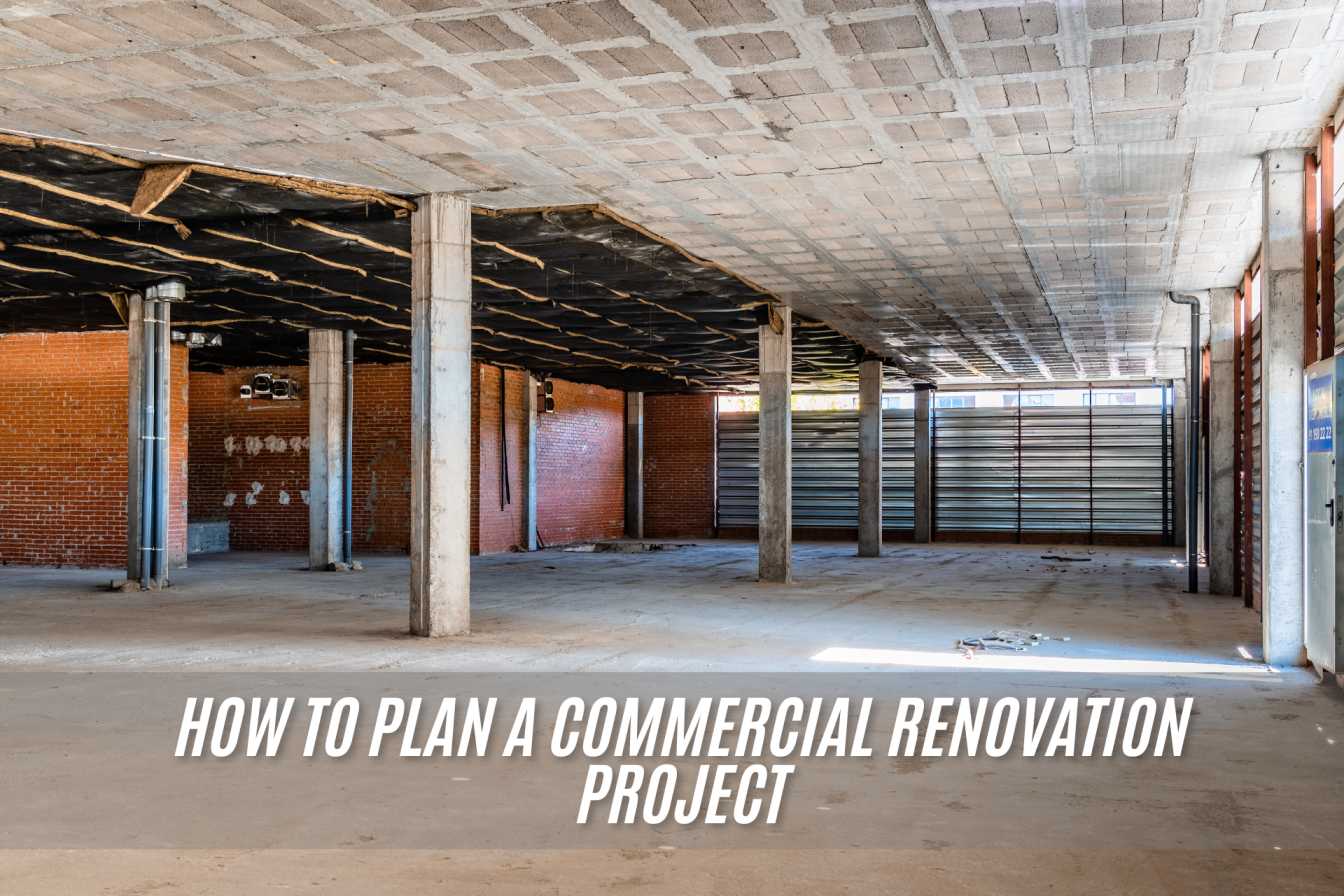
Planning a commercial renovation involves more than just aesthetic upgrades; it’s about aligning your space with your business goals. Begin by defining clear objectives—whether it’s enhancing collaboration, attracting clients, or upgrading infrastructure. Establish a realistic budget that includes materials, labor, permits, and a contingency fund of 10–15%. Selecting experienced contractors with a proven track record is crucial. Clearly outline the project scope to prevent cost overruns and misunderstandings. Lastly, develop a strategy to maintain business operations during the renovation, ensuring minimal disruption to your daily activities.

×

    Book a Consultation