
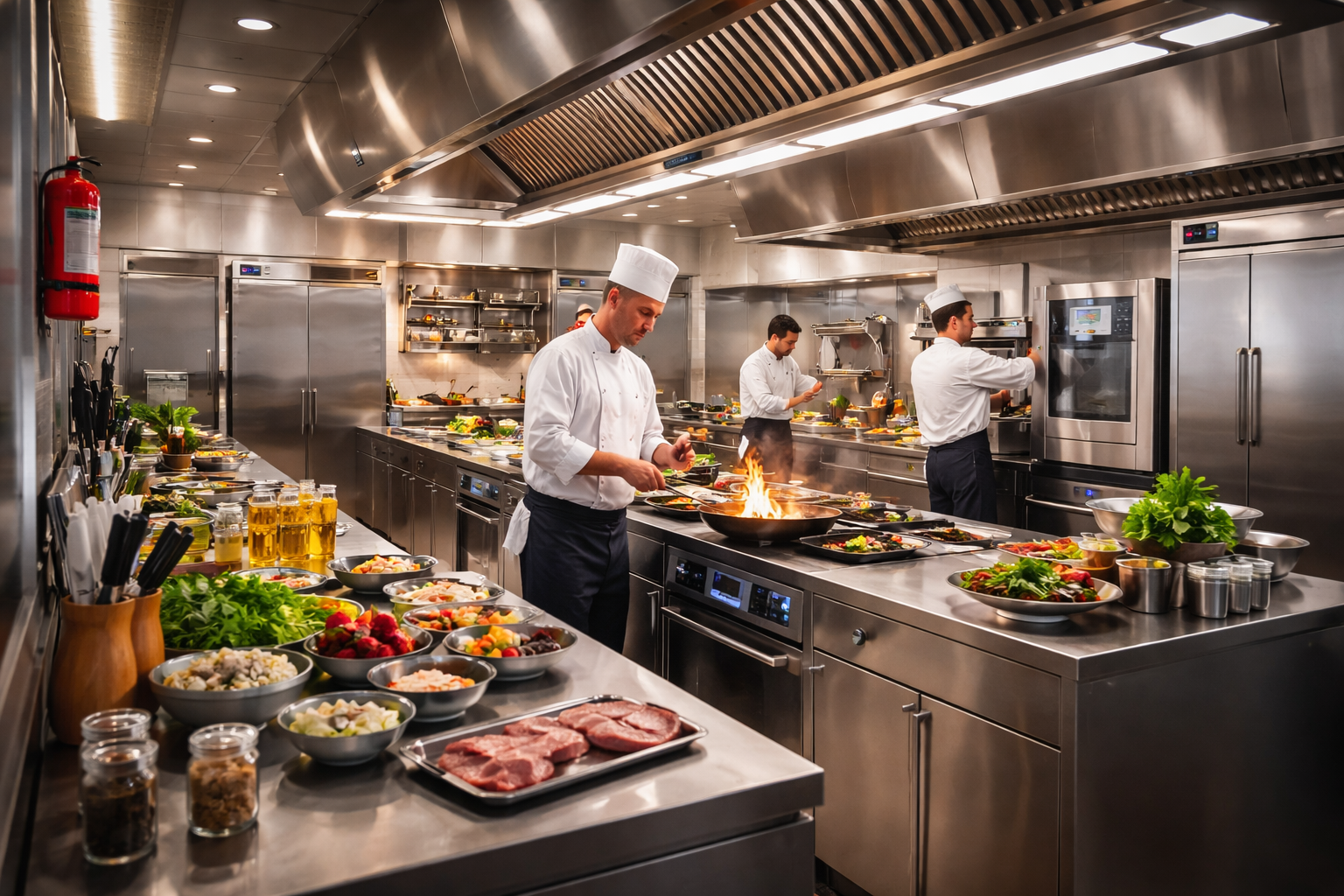
When it comes to running a successful food business, your kitchen is not just a space, it’s the engine behind everything. A well planned commercial kitchen renovation in Brampton can significantly improve workflow, reduce risks, and even boost staff morale. But many businesses often rush into renovation without understanding what actually matters, which later creates more problems than expected.
Why Commercial Kitchen Renovation Matters
A poorly designed kitchen slows everything down, and in a busy restaurant every second counts more than you think. From food prep to service, delays can quickly pile up and affect customer experience.
Renovation is not only about how your kitchen looks, it’s more about improving workflow, meeting safety standards, upgrading equipment, and reducing energy usage. Sometimes even small changes can make a big difference, but most owners don’t realize it until it’s already affecting their operations.
Plan Your Kitchen Layout Carefully
One of the most important parts of a commercial kitchen remodel is planning the layout in a way that actually supports daily operations. A good layout allows staff to move freely without bumping into each other or wasting time going back and forth.
It should include proper zoning for prep, cooking, and cleaning areas, along with logical equipment placement. Many modern renovations are also inspired by open-concept kitchen design trends in Canada, which focuses on better visibility and smoother movement between stations.
Focus on Workflow Efficiency
Efficiency is everything in a commercial kitchen, and even small inefficiencies can slow down the entire team.
You need to think about how your staff moves and works throughout the day, like whether ingredients are easily accessible, or if cooking stations are placed too far from prep areas.
When staff keeps crossing each other’s paths, it creates confusion and delays. Optimizing restaurant kitchen workflow can save time, reduce stress, and improve overall productivity, especially during peak hours.
Prioritize Safety & Compliance
Safety should never be treated as optional in any Toronto kitchen renovation, because the risks involved are serious and sometimes costly. In the U.S. alone, 93,800 nonfatal injuries were reported in full-service restaurants in one year, many linked to poor layout and unsafe work conditions.
Having a proper setup must follow all health codes and safety regulations, including fire suppression systems, non-slip flooring, proper drainage, and safe electrical wiring.
Ignoring these aspects can lead to fines or even shutdowns, which is something no business wants to face after investing so much in renovation.
Upgrade Ventilation Systems
Ventilation plays a very important role in maintaining air quality and keeping the kitchen environment manageable. Without proper systems, heat, smoke, and grease can build up quickly, making it uncomfortable and even unsafe for staff.
Installing commercial exhaust hoods, grease management systems, and efficient HVAC solutions helps control these issues. Good ventilation doesn’t just improve safety, it also makes daily work easier, though many people overlook it during renovation.
Invest in Durable Materials
Commercial kitchens experience heavy usage every single day, so choosing the right materials is very important for long-term performance. While cheaper materials might seem like a good idea initially, they often wear out faster and require frequent replacements.
Using stainless steel surfaces, heat-resistant materials, and easy-to-clean finishes ensures durability and hygiene. Many business owners ignore this during renovation, but they often regret it later when maintenance costs start increasing.
Choosing the right surfaces is also important, and a guide to selecting the right kitchen countertops can help you make better long-term decisions.
Think About Energy Efficiency
Energy efficiency is something that directly impacts your operating costs, even if it doesn’t seem like a priority at first. Modern commercial kitchen design focuses on using energy-efficient appliances, LED lighting, and smart water systems to reduce consumption.
These upgrades might feel expensive during installation, but over time they help save money and make your kitchen more sustainable. It’s a long-term benefit that many businesses don’t fully consider.
Don’t Forget Permits & Regulations
Before starting any renovation, it’s important to understand local building codes and permit requirements. If you’re unsure, reading about understanding kitchen remodeling permits in Toronto can give you a clearer idea of what to expect.
Missing permits or not following proper guidelines can delay your project and create unnecessary complications. It’s always better to consult a professional kitchen renovation company, even if you feel confident managing things yourself.
Common Mistakes to Avoid
Many businesses make similar mistakes during a commercial kitchen renovation, often because they rush decisions or don’t plan properly.
Ignoring workflow design, choosing aesthetics over functionality, not planning for future expansion, and underestimating the budget are some of the most common issues.
These mistakes can impact your kitchen’s performance in the long run, making it harder to fix things later.
Final Thoughts
A successful commercial kitchen renovation is not just about upgrading your space, it’s about creating a system that works efficiently every day without causing unnecessary stress.
From layout planning to safety compliance, every detail plays an important role in how your kitchen performs. If done right, it can improve speed, safety, and productivity, but if done wrong, it can slow down your entire business, and that’s something you definitely want to avoid.