Book a Consultation

Best Time of Year for Home Renovation in Canada
Best Time of Year for Home Renovation in Canada

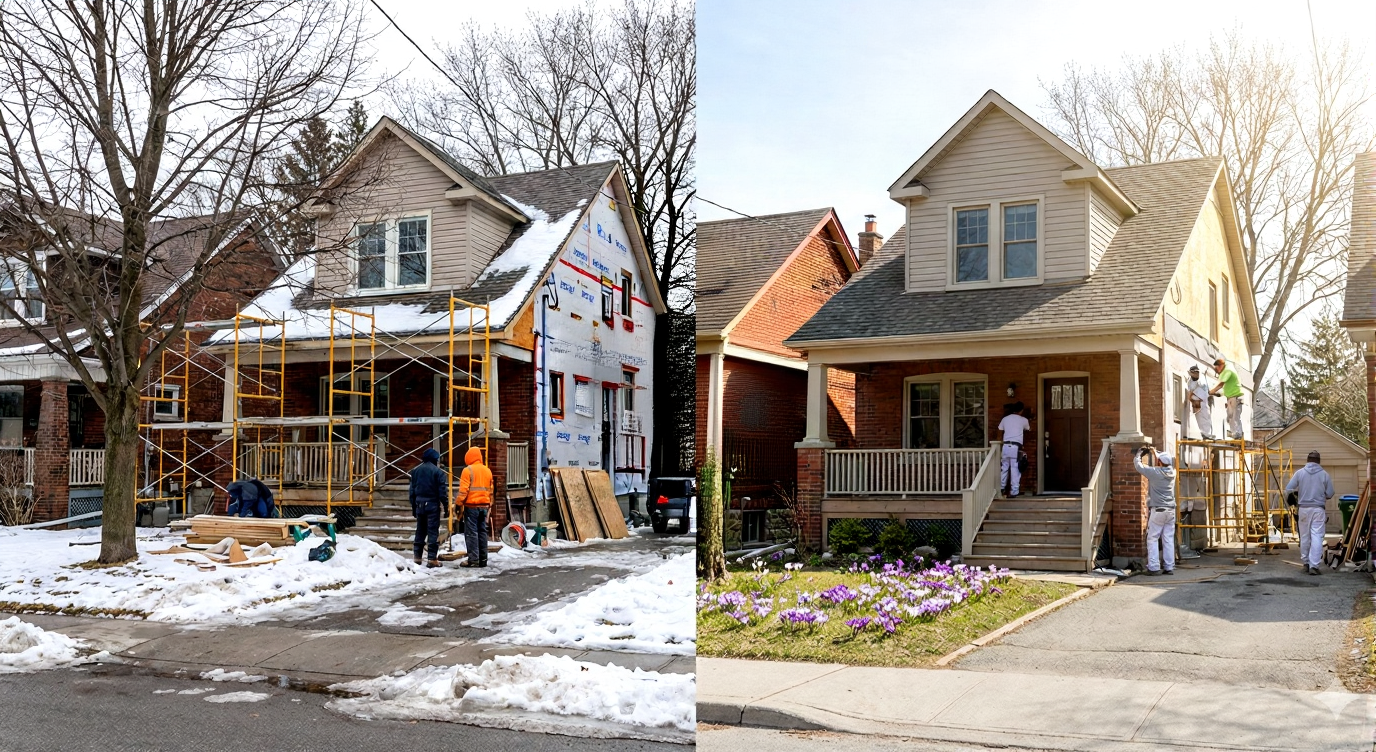
Everyone loves the idea of renovation, a refreshed kitchen, a modern bathroom, a finished basement, or a stunning outdoor deck. However, if you’ve lived in Canada long enough, you already know that weather and seasonal constraints have a say in everything.  That’s why understanding the best time of year to renovate your home in Canada isn’t just about convenience; it affects cost, timelines, material quality, and contractor availability. With the right seasonal planning, you can eliminate delays, secure better pricing, and make renovation a smoother, more rewarding journey. Think of this as approaching your project with Vulcan-level logic and precision, where every decision is backed by strategy. Spring: The “Let’s Get Started” Season Spring is the season when most homeowners feel energized to kick off projects, especially after months of winter hibernation. As temperatures rise and the snow melts, both contractors and suppliers get back into their full rhythm.  This makes spring one of the most popular moments to begin both interior and exterior upgrades. It’s an excellent window for kitchen remodeling, bathroom renovations, and basement finishing. When the weather becomes predictable enough for a steady workflow while still cool enough to keep indoor environments comfortable for workers and materials.  Even outdoor upgrades like decks, patios, and fencing benefit from spring because the ground is softer and easier to work with. The only drawback is competition, with so many people starting renovations around this time, prices can increase fairly quickly and schedules fill up. If spring is your preferred season, securing bookings early is the smartest choice to ensure smooth project flow. Summer: The Peak Season for Outdoor Renovations If you’re planning anything exterior-related, summer is undeniably the most powerful season to get things done. With long daylight hours, dry weather, and minimal interruptions from climate shifts, summer allows construction work to progress quickly and efficiently.  This timing is ideal for roof repair or replacement, siding upgrades, landscaping projects, driveways, and even full additions to your home. Contractors love summer because it reduces weather-related delays, and homeowners appreciate that most outdoor renovations can be completed in a shorter overall timeline.  However, all of this convenience and speed comes at a cost. Summer is peak renovation season in Canada. Where contractor availability decreases, and labour and material prices reach their highest point of the year. If your timeline is non-negotiable or if exterior renovations are on your priority list, summer is absolutely worth it, just be prepared to book early and budget accordingly. Fall: The Underrated Hidden Gem Fall doesn’t always get the attention it deserves in renovation planning, but anyone who values balance between affordability and efficiency should take a closer look at this season. As summer projects wrap up and families return to routine, demand for renovation slowly declines, creating opportunities for homeowners who want high-quality work without competing for contractors.  The weather in early fall remains stable, with mild temperatures, low humidity, and fewer rain disruptions, which makes it a practical time for both interior and exterior projects.  Whether you’re planning a kitchen remodel, a bathroom renovation, upgrading insulation or windows, or finishing a basement before winter. Fall gives you the breathing room to negotiate pricing, secure materials faster, and enjoy quicker contractor availability.  Many homeowners also choose fall renovations to have their spaces ready for holiday gatherings and winter comfort. If getting the most value for your investment is important, fall might be the smartest seasonal choice. Winter: The Best Season for Indoor-Only Renovations and Savings Winter scares people off from renovation, and that fear makes it one of the best opportunities available. Because demand is low, contracts and suppliers reduce costs, speed up quoting processes, and offer more flexible scheduling. While major exterior projects aren’t realistic in winter due to freezing temperatures, interior-only upgrades become significantly more cost-efficient.  Indoor flooring installations, interior painting, bathroom redesigns, basement finishing, and layout modifications all thrive during the winter months. Largely because contractors tend to have more room in their schedules than at any other time of year.  Fewer projects mean flexible timelines, lower costs, and more personalized attention. Material suppliers also offer better pricing in the off-season, adding another layer of savings.  Winter renovations are perfect if your priority is budget optimization rather than rushing against the weather or seasonal demand. As long as your project doesn’t require exterior structural changes, winter can help you complete your renovation while saving money and avoiding the competitive rush of spring and summer. What’s the Real Best Time? The truth is that there isn’t a single universally perfect season to renovate in Canada. There is only the best season for your specific project. Exterior upgrades and roofing will almost always be more successful in summer because the weather influences structural integrity.  Kitchen and bathroom renovations can be strategically timed in either spring or fall, depending on your pricing preferences and timeline flexibility. Basement finishing, one of the most popular renovation projects in Canada, is highly efficient in the fall or winter since it is unaffected by weather and benefits from off-season costs.  Instead of asking when to schedule home renovations in Canada, it’s more effective to determine your project type first and align the season with the most logical conditions for that work. When you make renovation decisions based on climate, demand, and material behaviour, you don’t just renovate, you control the outcome. Does Timing Affect Renovation Costs? Absolutely. Seasonality has a major influence on pricing because renovation demand fluctuates across the year. Spring brings increasing momentum and competitive pricing, while summer pushes costs to their peak because it’s the busiest season. Fall, on the other hand, becomes a sweet spot where many homeowners can benefit from lower pricing and faster turnaround times.  Winter takes affordability even further for interior renovations because contractors are more available and suppliers often run seasonal discounts. By planning around supply and demand, you gain purchasing power, which ultimately helps you stretch your budget much further without compromising on quality. Plan Smart to Protect Your Renovation … Read more

When to Renovate vs Sell Your Home: Decision Guide

When to Renovate vs Sell Your Home: Decision Guide

So, you’re staring at your kitchen cabinets again, the ones that look like they were built before Google existed and thinking, “Should I just renovate this place… or is it time to sell and move on?” Trust me, you’re not alone. Almost every homeowner hits this crossroads at some point. The big question becomes: renovate vs sell? And honestly, the answer isn’t the same for everyone. But don’t worry, I’ll walk you through it like a friend who’s been there, seen the chaos, made the mistakes, and lived to tell the tale. Start With the Real Question: What’s Actually Bothering You? Before you jump into renovations or call a realtor, ask yourself what’s really pushing this decision. Is it… First and foremost is understanding the “why.” It helps you choose the “how.” Sometimes you don’t need a massive renovation, just a few upgrades to boost your home’s comfort and resale value. Other times, selling makes more sense, especially when repairs start turning into a money pit. If you are still contemplating, then check out outdoor space renovation ideas in Toronto. These small upgrades can add big comfort (and value) When Renovating Makes More Sense If your home still feels right but just needs a glow-up, renovation might be your best friend. Here’s when you should renovate your home instead of packing boxes: Your home has good bones. If the structure is solid and the issues are mostly old tiles, tired paint, and an outdated kitchen, then renovating can be more affordable than buying a new place. The neighbourhood is great. A great school district, safe streets, and parks nearby? Selling might mean giving up these perks. Many Canadians renovate because they don’t want to leave their neighbourhood. Renovations will actually increase your home’s value If the renovation improves comfort and increases resale value, that’s a win-win. Some upgrades offer solid ROI in Canada, like: When Selling Might Be the Smarter Move Let me be very honest! Sometimes renovating just won’t fix the core issue. The repairs are too big and too expensive Foundation cracks? Old electrical wiring? Major plumbing issues? These aren’t “weekend project” problems. If the renovation cost starts creeping close to a down payment for a new home, selling becomes more attractive. You’ve outgrown the space If your family has grown (or storage has shrunk), no amount of renovation will magically add square footage. Especially if you’re already at your maximum. The market is in your favour If your area’s real estate market is hot, selling a home, even if it needs work, can give you a great return. In many Canadian cities, buyers are willing to take on fixer-uppers. Do a Quick Cost Comparison Here’s where things get real: Renovate or sell, what’s actually more expensive? Renovation Costs: Renovations in Canada aren’t cheap. A kitchen remodel alone can run $25,000–$60,000 depending on finishes. You also need time, permits, and patience (a rare resource during renos). If you’re unsure, check out guides like how to plan realistic renovation timelines for a clearer idea of what to expect. Selling Costs: Selling isn’t free either. You’ll factor in: A Simple Way to Decide: Ask Yourself These Three Questions Whenever someone asks me if they should renovate or sell, I give them these three questions: 1. Will the renovation fix the actual problem? If the issue is space, location, or major structural wear, renovation might not be enough. 2. Will the renovation increase the home’s value? If the answer is no, you’re basically spending money for short-term satisfaction. 3. Will you stay at least 3–5 more years? If you’re not planning to stick around, selling now might save you money. Renovate vs Sell: Quick Real-Life Example Imagine your bathroom is outdated and your kitchen feels too small. You could: Spend $40,000 renovating both, Or sell your home and move into one that already fits your lifestyle. But if you love your neighbourhood, your kids’ school is nearby, and you’re emotionally attached to the place, renovation becomes a more meaningful investment. On the flip side, if you’ve been dreaming of a bigger home, better commute, or newer features, then selling is the cleaner break. You can also improve your planning process with top renovation tips for homeowners, which help avoid common budget and time overruns. Final Thoughts: Take Your Time, Assess Everything, and Choose What Serves You Best Deciding whether to renovate or sell your home in Canada isn’t a quick yes-or-no choice, it’s a personal decision shaped by how you live today and how you want to live tomorrow. Renovation is often the better route when you’re happy with your neighbourhood, only dealing with cosmetic issues, or hoping to boost long-term value. Selling may feel more practical when the space no longer supports your lifestyle, the repair list is overwhelming, or you’re ready for a completely new chapter. If renovation feels like the direction you’re leaning toward, this is where working with the right professionals, thoughtfully and only where needed, can give you clarity and confidence. A team like Vulcan Hats Construction can help you understand what’s possible, what’s worth investing in, and what will genuinely improve your home experience. In the end, don’t rush. Look at the numbers, think about your lifestyle, and choose the option that feels aligned with your future, not just the one that seems easiest in the moment.

Commercial Building Permits: What You Need to Know

Commercial Building Permits guide

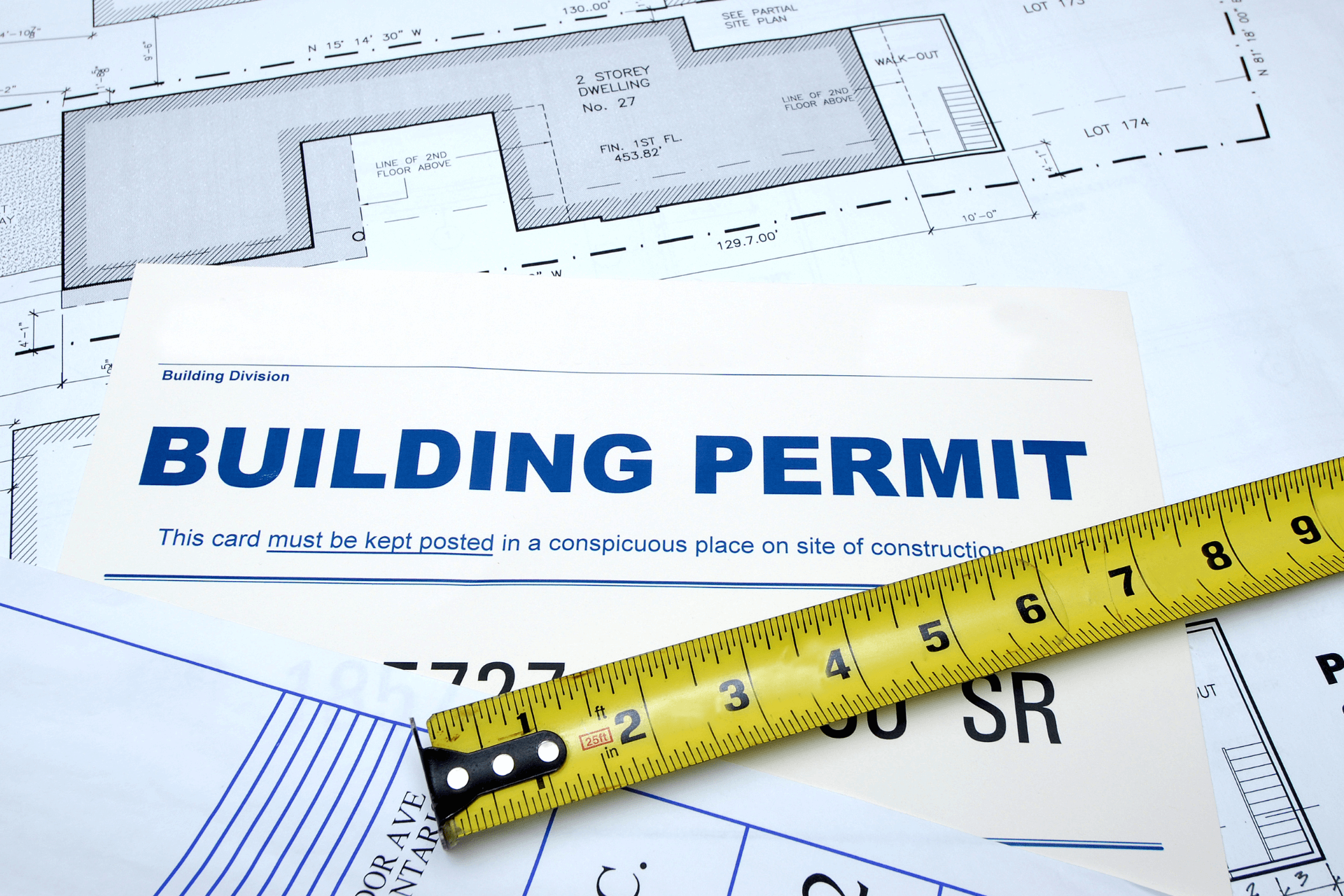
Do you intend to begin building on your business property?  If this is the case, it’s critical to comprehend how to apply for a commercial building permit, and it’s the most important first step.  Obtaining a permit can be overwhelming, but it’s essential to ensuring your project is safe, compliant, and ready to proceed. In this post, we’ll provide a comprehensive guide to obtaining a permit for your business.   What is the Need for a Building Permit? Every time a new structure is being constructed or an old building is being significantly altered, local and state governments demand building permits. Permits are crucial because they guarantee that any development is safe, legal, and built to standard.  Additionally, they ensure that the project won’t negatively impact nearby homes or overspend on local resources or infrastructure. How to Apply for a Commercial Building Permit Construction plans are first reviewed and approved by your local building department.  To make sure the project is designed and carried out in accordance with local building codes and standards, they arrange for recurring building inspections prior to issuing building permits. While permit procedures vary in specific ways, they are similar across towns and projects, where they come in a variety of forms, including commercial and residential. It is usually advisable to get in touch with the building department and provide them with the project address before submitting an application for a construction permit so they can verify if the property is under their jurisdiction. The majority of building departments will only grant building permits to contractors who hold one of their licenses. Success Strategies for Building Permit Applications Commercial Building Permits Guide – Vulcan Hats Constructions Learn everything about commercial building permits — key requirements, approval steps, and tips to ensure your construction project runs smoothly. You should obtain a submission packet when giving out an application, which usually consists of: In order to ease the online application process, the majority of building departments nowadays have forms available via their websites and online portals. Many will still save paper copies for pickup, though, and some people might prefer to apply for permits in person. The following are common elements of a commercial building permit application: If the project scope includes outside improvements such as installing energy-efficient windows during renovation, then it’s important that you mention this at your earliest convenience.  Before starting your submission, it’s wise to review the commercial renovation checklist and strategy. It helps ensure your application is complete, compliant, and ready for review. How Much Time Does It Take to Get a Building Permit? The usual waiting period to get a commercial building permit in Canada takes almost seven to eight weeks. Numerous factors can influence how long the procedure takes, such as The International Building Code, which defines “reasonable time” to finish an initial design inspection as 30 calendar days, is the foundation for the majority of state building codes. Is Getting a Building Permit Requiring Payment? The building department will inform the applicant that the approved drawings and building permits are available for pickup while offering the building permit cost once the letter of correction issues have been resolved. The size of the project affects the building permit charge. Building Permit Fee = ($350 + 0.15 per SF) x 1.03 is an example of a common cost. In addition to the building permit price, some building departments will provide an expedited design review option for a premium that could reach $1,500. The building permit may also come with additional costs. Additional costs could include the following, depending on the building’s usage and zoning: The building permit may also come with additional costs. Additional costs could include the following, depending on the building’s usage and zoning: Do All Construction Projects Need Building Permits? Building a commercial building does not require a permit. Not every construction project requires a building permit. This category would include maintenance tasks that involve replacing fixtures or finishes that look almost the same. It’s a good idea to find out immediately from the local building department whether a permit will be needed before beginning any significant construction project. This is far preferable to presuming they won’t need a permit and then having a building inspector discover the project and halt construction! Both the owner and the contractor face severe fines and penalties for operating without a permit. Additionally, contractors run the risk of losing their licenses. Before You Build: A Quick Checklist Concluding Remarks A commercial building permit isn’t just another form to fill, it’s your project’s foundation for success. It guarantees that your construction is safe, compliant, and built to last. Whether you’re building a new storefront, expanding an office, or renovating a warehouse, understanding commercial building permit requirements in Canada helps you plan better and build with confidence. If you are working on a historically significant property, then our heritage home renovation guide in the area of Hamilton offers expert insights on preserving architectural integrity while meeting modern building codes. At Vulcan Hats Constructions, we have great working relationships with many construction departments. You can rely on a timely plan review, favourable inspection findings, and a timely Certificate of Occupancy when you work with us and start your project and stay on track from start to finish.

How to Renovate a Bathroom: Step-by-Step Guide

How to Renovate a Bathroom: Step-by-Step Guide

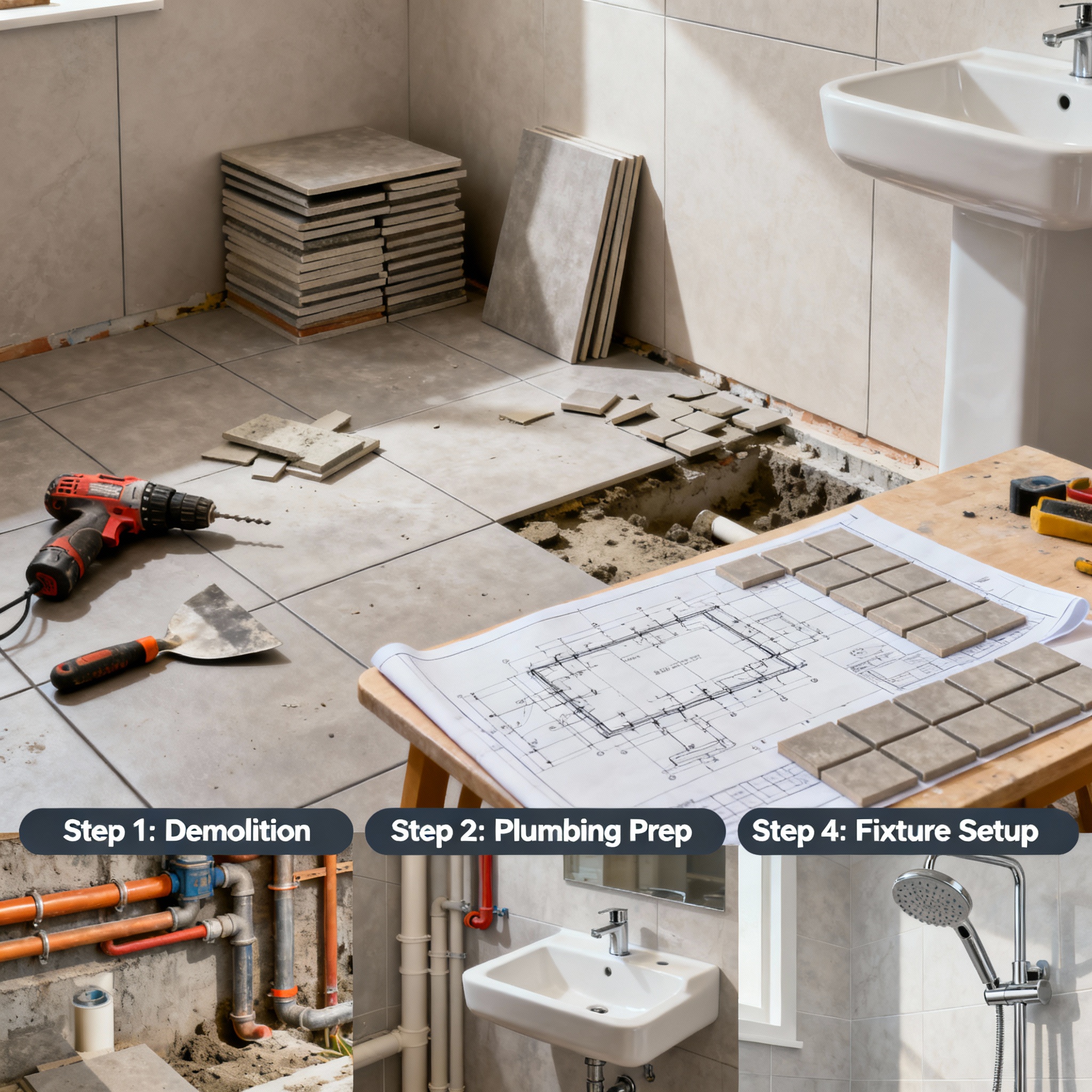
Bathroom renovations are among the most satisfying home improvement projects you can take on. It not only improves the comfort and functionality of your home but it also significantly increases the property’s value. However, without a defined strategy, what appears to be a straightforward upgrade can soon become stressful and costly. The following piece outlines a step-by-step guide to renovating a bathroom, including a renovation checklist, cost breakdown, and timeframe to help you stay organized and confident throughout the process.  Start with a Clear Plan Before you begin tearing out tiles or buying fixtures, take time to plan the renovation thoroughly. Start by asking yourself: Draft a rough sketch of your bathroom layout. Put a note about all the placements of plumbing lines, electrical outlets, and structural walls. Without knowing, all these changes can drastically affect your budget. If you are doing a major remodel or adding new features like heated floors or a walk-in shower, it’s best to consult professional bathroom remodelers in Brampton, Ontario, to ensure your plans meet safety and code requirements. Set a Realistic Bathroom Renovation Timeline Renovation takes time, and setting realistic expectations prevents frustrations. Here’s a general timeline for a mid-sized bathroom remodel: Stage Estimated Duration Description Planning & Design 1-3 weeks Create a layout, choose materials, and finalize the design. Demolition 2-4 days Remove old fixtures, tiles, and flooring. Plumbing & Electrical 3-5 days Update or relocate pipes, drains, and wiring. Tiling & Flooring 1-2 weeks Install new tiles, waterproofing layers, and flooring. Fixtures & Painting 3-5 days Fit vanities, mirrors, lighting, and flooring Final Inspection 1-2 days Check everything for leaks, cracks, and finishing issues. Step-by-Step Bathroom Renovation Checklist Here is a detailed checklist that will assist you through each process.  Step 1: Evaluate the Existing Bathroom Inspect for hidden issues like water leaks, poor drainage, or mold. Repairing these early prevents long-term damage and extra expenses later. Step 2: Design the Layout Decide if you will keep the current layout or rearrange the toilet, sink, and shower. A layout that uses existing plumbing lines will save money. Step 3: Select Material and Fixtures Chooses tiles, flooring, paint colors, and hardware. Popular options include porcelain tiles for durability and quartz countertops for a modern look. If possible, opt for energy-efficient lighting and low-flow faucets to reduce water and electricity bills. Step 4: Plan for storage and functionality Include built-in shelves, wall cabinets, or under-sink storage. Smart design ensures your bathroom remains clutter-free. Step 5: Waterproofing and Ventilation Proper waterproofing is essential to prevent moisture buildup, while a high-quality exhaust fan helps avoid mold and mildew. Step 6: Finishing Touches Once major installations are done, polish the details such as mirrors, towel racks, shower curtains, and decor items to complete the transformation. Understanding the Bathroom Remodel Cost Breakdown Knowing where your money goes is essential for budget control. The total cost depends on the size, quality of materials, and scope of work, and if you are still contemplating, you can refer to budgeting for a bathroom remodel in Toronto, where you can get a detailed breakdown. However, here’s an approximate bathroom remodel cost breakdown in Canada: Category Estimated Cost Range (CAD) Plumbing & Electrical $2000-$5000 Tiles & Flooring $1500-$4000 Fixtures (Toilet, Shower, Sink) $1000-$3500 Vanity & Countertops $800-$2500 Painting & Accessories $300-$1200 Labour & Installation $3000-$8000 Practical Design and Material Tips To make your bathroom renovation more effective and long-lasting, consider these insights: Common Mistakes to Avoid During Bathroom Renovation Even with the solid plan, small mistakes can lead to long-term issues. It could be from leakage to mold to costly rework. Knowing these typical errors can help you save time, money, and all the frustration. Here’s what homeowners should avoid during the remodelling journey: Skipping waterproofing or using low-quality sealants Water is the biggest threat in any bathroom. Improper waterproofing behind tiles, especially in shower areas, can lead to hidden leaks, mold, and structural damage. Always use high-quality waterproof membranes and silicone-based sealants in critical zones. Ensure your contractor performs a flood test before tiling to confirm no leaks exist. Ignoring Ventilation Requirements A beautiful bathroom can quickly deteriorate without adequate ventilation. Steam accumulation promotes mold growth and damages paint, wood, and grout. Install a powerful yet quiet exhaust fan that matches your bathroom’s size. For added efficiency, consider humidity-sensing fans that automatically activate when moisture levels rise. Poor Lighting Placement Insufficient or wrongly placed lighting creates dark corners and casts shadows, especially near mirrors. Always layer your lighting (ambient, task, and accent) and position fixtures to eliminate glare. Proper illumination not only improves visibility but also enhances the overall mood of the room.  Failing to test plumbing before sealing walls Once walls and tiles are installed, fixing plumbing leaks becomes expensive and messy. Before closing up, have your contractor pressure-test all water and drainage lines to ensure there are no hidden leaks or alignment issues. It’s a simple step that prevents major repairs later. Prioritizing looks over Functionality It’s tempting to focus solely on design aesthetics, but functionality should always come first. Beautiful fixtures that lack practicality. Such as oversized tubs in small bathrooms or poor storage planning, which often leads to regret. The best designs merge practicality with elegance, ensuring long-term satisfaction. For peace of mind, collaborate with professionals experienced in Toronto, Canada, for commercial building construction or high-end residential remodelling. Their expertise ensures all the technical details, from waterproofing to ventilation, are handled correctly, safeguarding your investment for years to come. Adding the Final Touches Once construction is complete, focus on making the space inviting. Add plush towels, ambient candles, and elegant mirrors to bring personality into your new bathroom. Small decor elements can transform a functional space into a luxurious sanctuary. Key Takeaways: Plan, Prepare, and Perfect A successful bathroom renovation is all about balance, where you balance cost with quality, creativity with practicality, and aesthetics with efficiency. By following a structured plan, managing your budget carefully, and hiring the right professionals, you can create a bathroom … Read more

How to Choose Kitchen Countertops: Materials and Cost Guide

How to Choose Kitchen Countertops

Installing energy-efficient windows during a home renovation in Toronto offers substantial benefits, including reduced energy costs, enhanced comfort, and increased property value. These windows feature advanced insulation, weather sealing, and Low-E coatings that help maintain consistent indoor temperatures and protect interiors from UV damage. Over time, they can lower energy bills by up to 25%, providing a strong return on investment. Additionally, their noise-reducing properties contribute to a quieter living environment. Opting for energy-efficient windows aligns with sustainable living practices and can make your home more attractive to potential buyers.

Why Install Energy-efficient Windows During Renovation

Why install energy-efficient windows during renovation

Installing energy-efficient windows during a renovation offers significant benefits, including reduced energy costs, improved comfort, and enhanced property value. These windows feature advanced insulation, low-emissivity coatings, and tight seals that minimize heat loss in winter and heat gain in summer. Additionally, they provide better UV protection, noise reduction, and contribute to a more sustainable living environment. With potential energy savings of up to 25%, this upgrade is a wise investment for homeowners seeking long-term financial and environmental benefits.

How to Plan a Commercial Renovation Project

How to Plan a Commercial Renovation Project

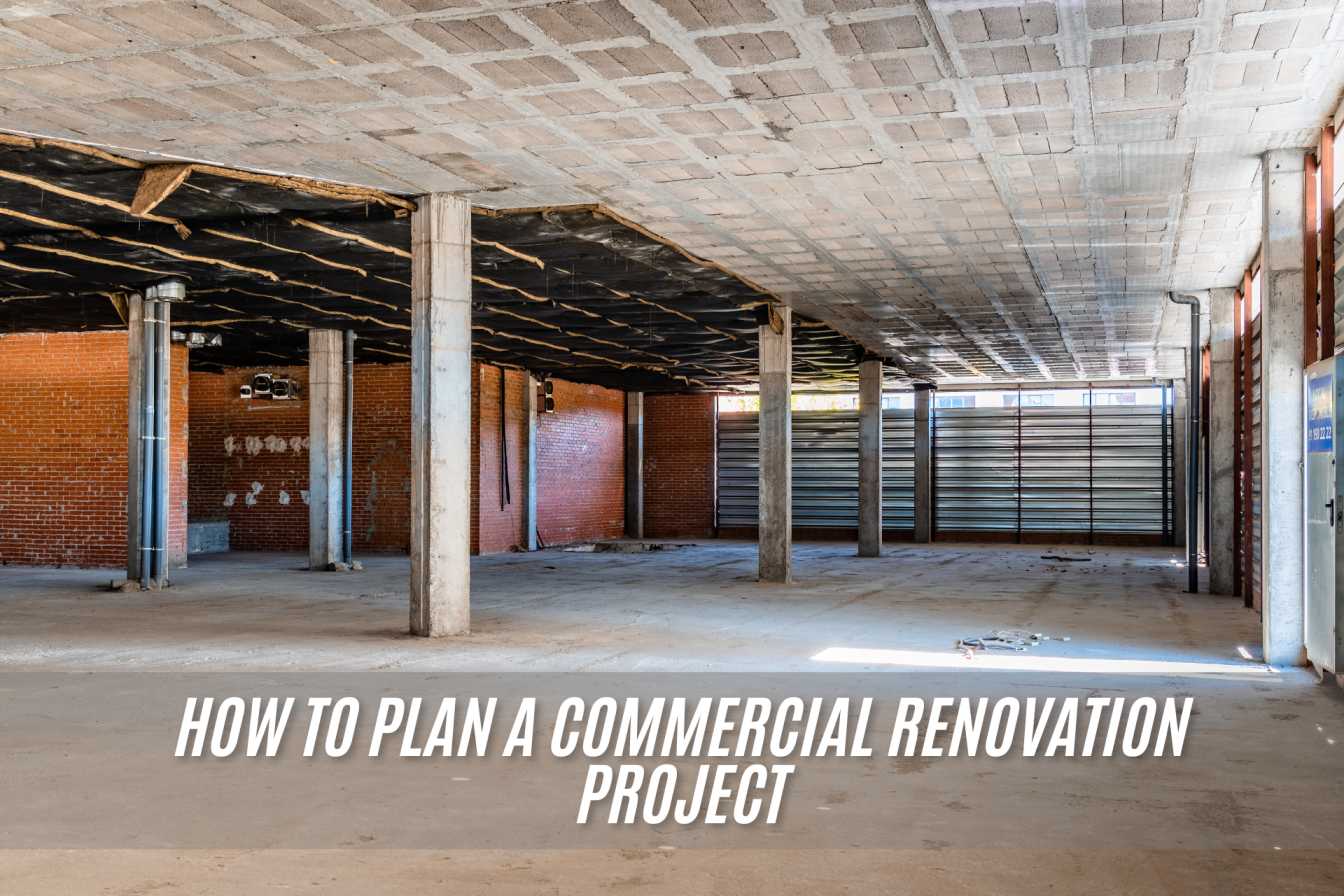
Planning a commercial renovation involves more than just aesthetic upgrades; it’s about aligning your space with your business goals. Begin by defining clear objectives—whether it’s enhancing collaboration, attracting clients, or upgrading infrastructure. Establish a realistic budget that includes materials, labor, permits, and a contingency fund of 10–15%. Selecting experienced contractors with a proven track record is crucial. Clearly outline the project scope to prevent cost overruns and misunderstandings. Lastly, develop a strategy to maintain business operations during the renovation, ensuring minimal disruption to your daily activities.

How to Choose Flooring for Your Home Renovation

How to Choose Flooring for Your Home Renovation

Choosing the right flooring is a crucial part of any home renovation, as it impacts both the look and functionality of your space. This guide explores key considerations such as durability, room-specific needs, design harmony, and budget, helping homeowners in Toronto and beyond select flooring that complements their lifestyle while enhancing their home’s value.

Kitchen Renovation Permits in Toronto: What You Need to Know

Kitchen Renovation Permits in Toronto

Planning a kitchen renovation in Toronto? Understanding the city’s permit requirements is crucial to ensure your project complies with local building codes and avoids potential fines. In Toronto, a building permit is typically required for kitchen renovations that involve structural changes, electrical work, or plumbing modifications. Cosmetic updates like replacing cabinets or appliances usually do not necessitate a permit. However, it’s always advisable to consult with a licensed contractor or the City of Toronto’s building department to confirm whether your specific renovation plans require a permit. Obtaining the necessary permits not only ensures compliance but also protects the safety and value of your home.

Why You Should Carry Renovation Insurance In Ontario

Why you should carry renovation insurance in Ontario

Renovating your home in Ontario is an exciting journey, but it’s essential to be aware of the risks involved. Standard homeowner’s insurance may not fully cover damages or liabilities during a renovation. That’s where renovation insurance comes in. It protects you against unexpected events like structural damage, worker injuries, or accidents that could lead to significant out-of-pocket expenses. This coverage ensures that your investment is safeguarded, allowing you to proceed with your project confidently. It’s a crucial step in planning your renovation to avoid potential financial pitfalls.

×

    Book a Consultation