Book a Consultation

Trends in Custom Home Building for 2026

Trends in Custom Home Building for 2026

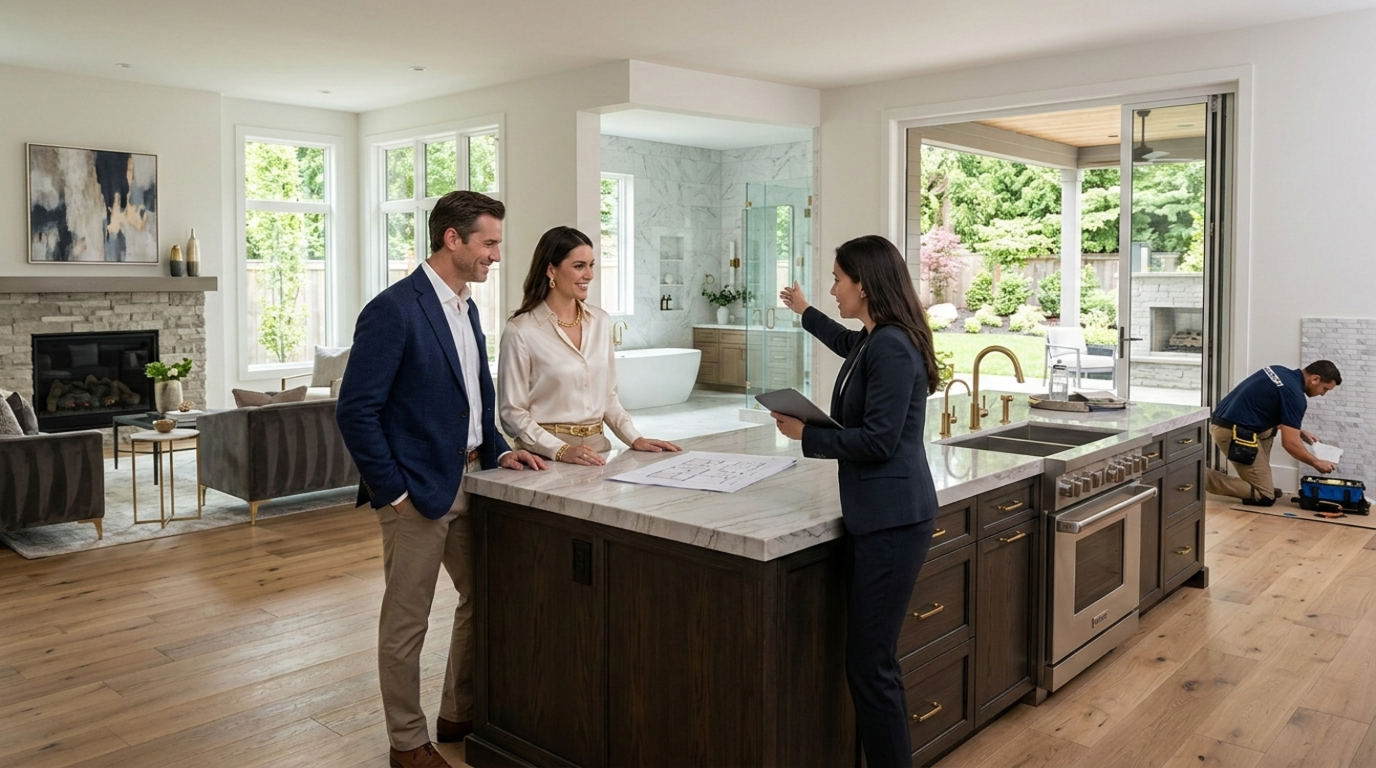
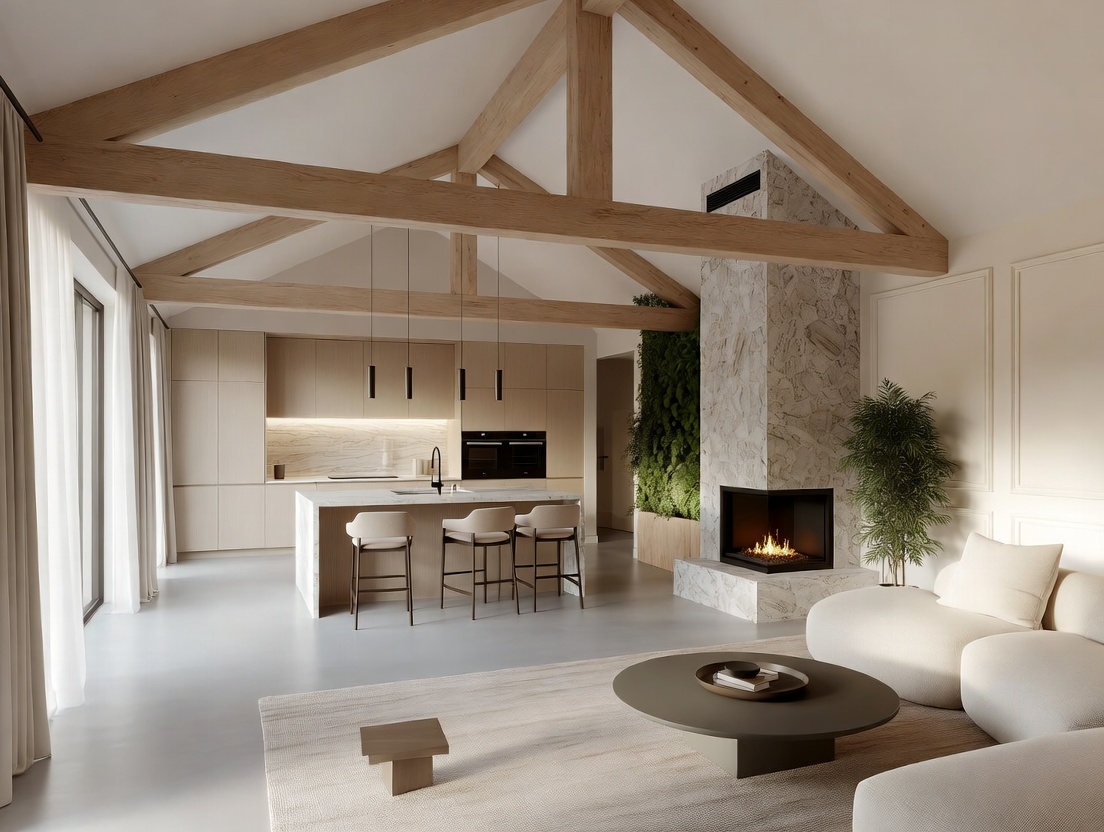
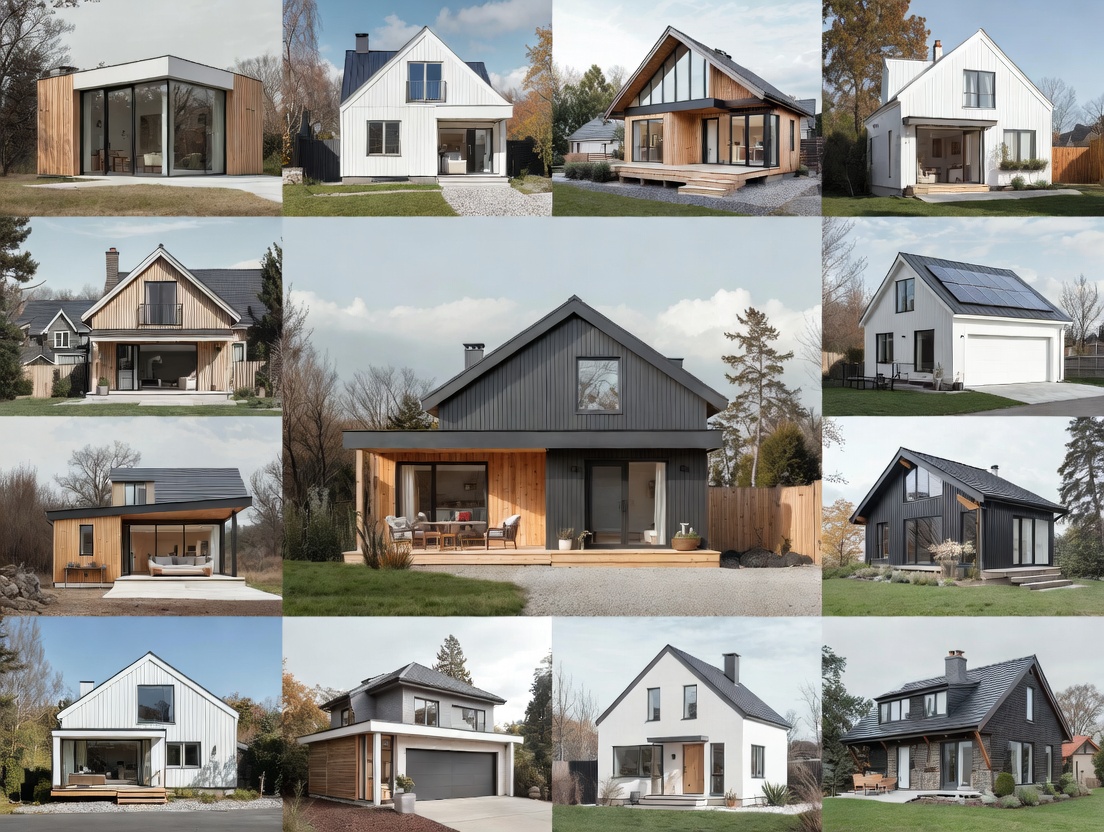
Homes Have Always Been More Personal… However, building a custom home in 2026 is no longer just about creating a beautiful space, it’s about designing a home that genuinely fits your lifestyle. Today, people want homes that feel intuitive, comfortable, and future-ready.  Whether it’s through smart technology, sustainable materials, or flexible layouts, the idea is simple: your home should work for you, not the other way around. If you’re exploring options like home renovation in Toronto or planning a new build, understanding these trends can help you make decisions that you’ll appreciate for years to come. Smart Homes That Simplify Everyday Living One of the biggest shifts we’re seeing is how naturally technology is blending into our homes. Smart features are no longer seen as luxury add-ons, they’re becoming a standard part of modern living.  For example, imagine adjusting the lighting, temperature, as well as the security all from your phone or with a simple voice command. Wouldn’t it make it more exciting?  Yes. What really makes this trend exciting is not just convenience but efficiency. Smart systems are helping homeowners save energy, improve security, and create a seamless daily experience.  In 2026, it’s less about “having smart tech” and more about living in a home that intuitively responds to your needs. Sustainability Is Now a Core Priority With an immense amount of growing awareness that our homes should be kinder to the environment, that shift is clearly shaping custom home design. Where more and more homeowners are choosing eco-friendly materials, energy-efficient systems, and designs that reduce long-term environmental impact. It’s the high time when one should be taking charge of their living conditions. This does not imply sacrificing comfort or style. In fact, sustainable homes often feel more thoughtful and refined. Features like solar panels, better insulation, and natural ventilation not only reduce your carbon footprint but also lower utility costs over time.  It’s a win-win that’s becoming especially popular in projects like home renovations in Mississauga. Spaces That Adapt to Your Lifestyle Since life is dynamic, your house shouldn’t be either. That’s why flexible, multi-functional spaces are becoming so important. Instead of having rooms with a single purpose, homeowners are designing spaces that can evolve, like a home office that doubles as a guest room or a living area that easily transforms for entertaining. This approach is especially useful in modern living, where work, relaxation, and social life often overlap. The goal is to create a home that feels open, adaptable, and ready for whatever your day looks like. Bringing the Outdoors In There’s something incredibly calming about feeling connected to nature, and modern home design is leaning into that more than ever. Large windows, open layouts, and outdoor living areas are helping blur the line between inside and outside. Whether it’s a cozy patio, an outdoor kitchen, or simply a living room filled with natural light, these elements make a home feel more spacious and refreshing. It’s not just about aesthetics, it’s about creating an environment that feels balanced and uplifting. Minimalism with a Touch of Luxury Minimalism in 2026 isn’t about having less, it’s about choosing better. Homes are being designed with clean lines and uncluttered spaces, but with a strong focus on quality and detail. Think natural materials, soft color palettes, and carefully chosen finishes that add warmth and character. This blend of simplicity and sophistication creates spaces that feel calm, elegant, and timeless. Instead of overwhelming the space, every element is intentional, making the home feel both modern and inviting. Designing for Wellness and Comfort More than ever, people are thinking about how their homes make them feel. Wellness-focused design is becoming a key part of custom home building, with features that support both physical and mental well-being. Natural light, better air quality, quiet spaces, and even small touches like indoor plants can make a big difference. Homes are becoming places where you can truly relax, recharge, and feel at ease after a long day. Making It Truly Yours Customisation is fundamental to the construction of custom homes. Homeowners today want spaces that reflect who they are, their habits, their preferences, and their vision of comfort. From kitchen layouts to storage solutions, every detail is being tailored to fit individual needs. Before starting the journey, it’s always helpful to understand what to consider before building a custom home. Planning guarantees that your house will look fantastic and perform just as you require it to. Expanding Instead of Rebuilding Not everyone wants to start from scratch, and that’s perfectly okay. In various instances, homeowners are choosing to upgrade their existing spaces instead. With thoughtful additions, like extending living areas, finishing basements, or adding new rooms, can completely transform a home. If you’re considering this route, exploring creative home addition concepts for modern living can open up new possibilities. With the right approach, even small changes can make a big impact, especially when working with a trusted home renovation company in Brampton. Conclusion: Constructing a House That Expands With You The trends in custom home building for 2026 all point toward one thing: creating homes that are smarter, more sustainable, and deeply personal. It’s about designing spaces that don’t just look good today, but continue to support your lifestyle in the years ahead. Whether you’re building a new home or upgrading your current one, the focus should always be on what truly matters to you. After all, the best homes aren’t just designed, they’re thoughtfully lived in.

Custom home building process step by step

Custom home building process step by step

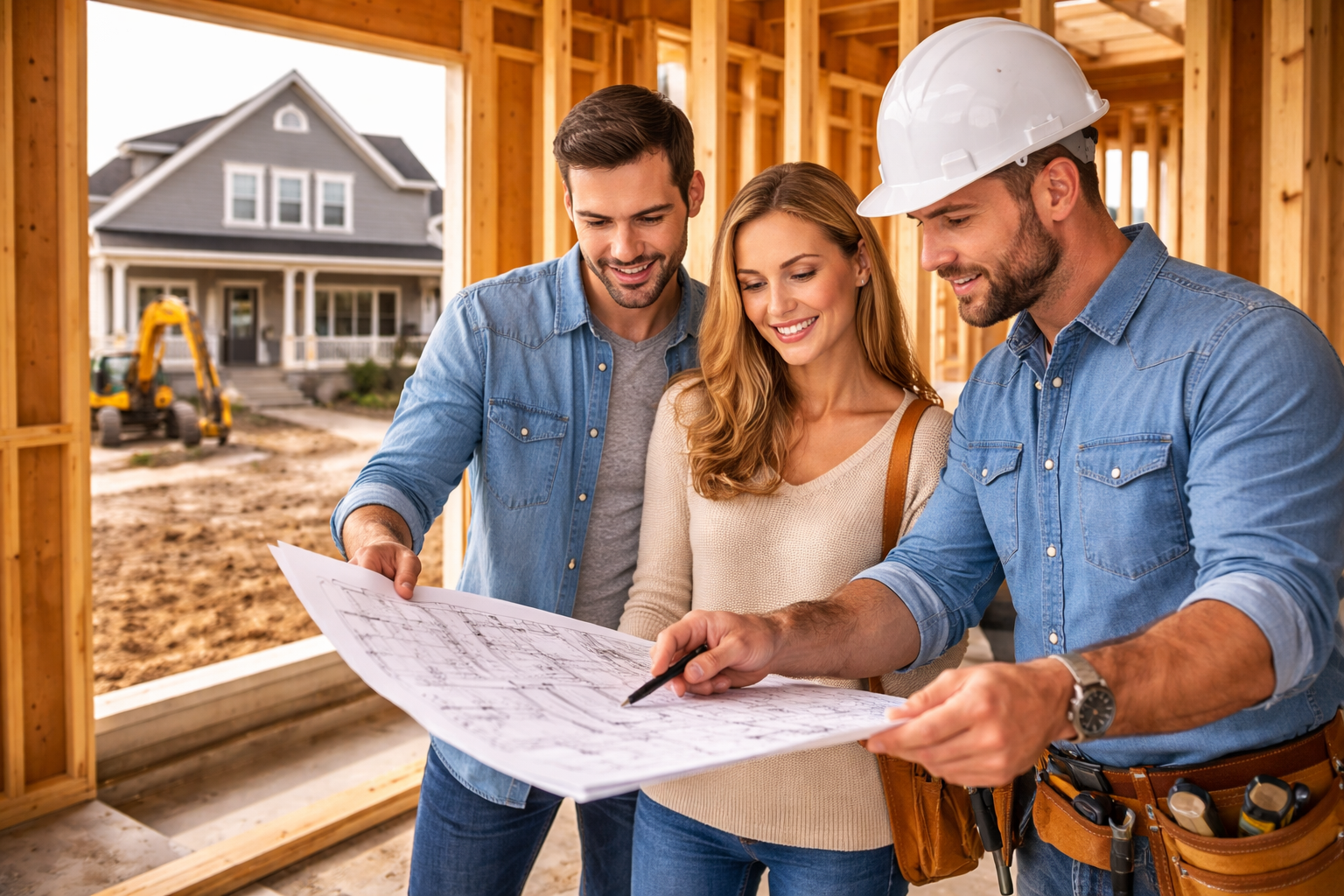
Building a home from scratch is an exciting experience. Instead of adapting to someone else’s design, you get the freedom to create a space that reflects your lifestyle, taste, and long-term plans. Still, if you’ve never done it before, the custom home building process step by step can feel confusing at first. The good news is that once you understand the stages involved, the journey becomes much easier to follow. Think of it as a story that unfolds in phases, from an idea in your mind to the moment you walk into your finished home. Let’s walk through the custom home construction process together so you know what to expect along the way. It All Starts With a Plan Every custom home begins with a conversation, usually about dreams, ideas, and possibilities. Before construction begins, you’ll spend time thinking about what you truly want in your home. This includes the size of the house, the number of rooms, the style of the design, and of course, the budget. Planning is also where you start talking to professionals who understand construction and renovation. Experienced experts, such as home renovation contractors in Toronto and Brampton, can help you turn your ideas into a realistic plan.  They’ll guide you through expected costs, timelines, and design possibilities so you can make confident decisions before anything is built. This stage sets the tone for the entire project, so taking your time here is always worth it. Choosing the Correct Builder Can Have a Significant Impact Once you have a clear idea of what you want, the next step is choosing the builder who will bring that vision to life. The relationship between a homeowner and builder is important because you’ll be working together for several months. A good builder doesn’t just build walls and roofs, they guide you through the process, answer questions, and make sure everything stays on track. Many homeowners prefer working with experienced professionals, such as home renovation contractors in Mississauga, who are familiar with local building regulations and construction standards. Therefore, choosing a builder with strong communication and a solid portfolio can make the entire step-by-step custom home construction journey much smoother. Designing the Home You’ve Imagined Now comes the stage where ideas begin to take shape on paper. Designers and architects work with you to create detailed floor plans and layouts that match your lifestyle. This part of the process is both creative and practical. You’ll think about how the kitchen connects with the living area, where natural light enters the home, and how each space will function in daily life.  Many homeowners also start exploring design inspiration at this point, looking into things like having the best kitchen cabinet options for your home to decide how their spaces should look and feel. By the end of the design stage, the concept of your home will be translated into clear construction drawings that builders can follow. Permits and Approvals: The Necessary Step Before construction officially begins, the project must receive approval from local authorities. This includes building permits, zoning checks, and ensuring the design follows local safety regulations. While this stage may seem less exciting, it’s a crucial part of the custom home construction process. Permits ensure that the house meets all structural and legal requirements.  Fortunately, your builder usually handles most of the paperwork and coordination with the municipality, allowing you to focus on the bigger picture. Once approvals are granted, the real construction work can finally begin. Preparing the Land and Building the Foundation Preparing the site is the first step in the construction phase. Land may need to be cleared, levelled, or excavated before the actual building work begins. Soon after, the foundation is poured. This is one of the most important parts of the home because it supports everything built above it. Whether the design includes a basement or a slab foundation, this stage requires precision and careful inspection to ensure long-term stability. Once the foundation is completed, the structure of the home can finally start rising above the ground. Watching the Frame Take Shape One of the most exciting moments for homeowners is the framing stage. This is when the structure of the house, .often called its “skeleton”- is constructed. Walls go up, the roof structure appears, and spaces for windows and doors become visible. Suddenly, the floor plan that once existed only on paper begins to feel real.  As you might have understood, walking through the framed structure allows homeowners to imagine where furniture will go, how each room will feel, and how the entire house will flow. For many people, this stage makes the dream feel tangible for the first time. Bringing the Home to Life With Essential Systems Once the frame is complete, contractors begin installing the systems that make a house functional. Plumbing lines are placed within the walls, electrical wiring connects the entire structure, and heating and cooling systems are installed. Although these elements remain mostly hidden once construction is finished, they are essential for comfort and efficiency. Skilled coordination between electricians, plumbers, and builders ensures everything works seamlessly before the walls are closed. After inspections confirm that these systems are properly installed, the house moves into its next phase. Turning a Structure Into a Home With insulation added to regulate temperature and drywall installed to form the interior walls, the house begins to look more like a real living space. This stage often feels like a major transformation. Rooms become defined, hallways appear, and the interior layout becomes easier to visualize. What once looked like a construction framework now resembles an actual home. It’s the moment when many homeowners start imagining daily life inside the space. Interior Finishing: Where Personality Appears Interior finishing is where style and personality truly enter the project. Floors are installed, walls are painted, kitchen cabinets are fitted, and lighting fixtures begin to illuminate the rooms. Design choices made earlier now come to life. Kitchen spaces might incorporate ideas from Best kitchen cabinet options … Read more

What increases home value the most during renovation

What increases home value the most during renovation

Renovating a home is exciting, but let’s be honest, it’s also a big financial decision. Whether you’re planning to sell in the near future or simply want your home to grow in value over time, not every renovation delivers the same return. Many homeowners assume bigger renovations automatically mean higher property value. In reality, smart upgrades often outperform expensive ones. The key is understanding what buyers actually notice, appreciate, and are willing to pay more for. If you’re wondering what increases home value the most during renovation, here’s where your investment truly counts. Start Where Buyers Pay the Most Attention: The Kitchen The kitchen continues to be one of the strongest value drivers in any home. You don’t necessarily need a luxury, magazine-style remodel. What buyers respond to most is functionality and freshness. Updated cabinets, modern countertops, energy-efficient appliances, and better lighting can completely transform how the space feels. A well-planned kitchen renovation often delivers one of the highest home renovation ROI results because it impacts everyday living. Buyers tend to view an updated kitchen as one less major expense after purchase, and that reassurance adds real value. Bathroom Renovations That Feel Clean and Modern Bathrooms may be smaller spaces, but their impact on resale value is surprisingly large. Outdated tiles, poor lighting, or worn fixtures can instantly make a home feel older. Simple improvements like walk-in showers, modern vanities, water-saving fixtures, and improved storage can significantly improve appeal. If you’re planning upgrades, following a structured approach like a bathroom renovation step-by-step guide helps avoid overspending while focusing on changes that matter most. Curb Appeal: First Impressions Still Win Before buyers step inside, they’ve already formed an opinion. Exterior improvements remain among the best home improvements for resale value because they influence emotional decisions instantly. Fresh paint, updated entry doors, landscaping, outdoor lighting, and driveway repairs create a welcoming first impression. Often, curb appeal upgrades cost less than interior remodels but deliver strong returns. Energy Efficiency Is Becoming a Major Value Booster Today’s buyers are thinking long term. Monthly utility costs matter just as much as aesthetics. Upgrades such as improved insulation, energy-efficient windows, smart thermostats, or modern HVAC systems quietly increase property value. Homes that promise lower energy bills and sustainability tend to stand out in competitive markets. These improvements may not always be visible, but they strongly influence buying decisions. Open Layouts and Functional Living Spaces Modern homeowners value space that feels flexible and connected. Removing unnecessary walls, improving natural light, or creating multifunctional areas like home offices or finished basements can dramatically increase usability. Since remote and hybrid work have become normal, adaptable layouts are now highly desirable. Functional renovations often outperform purely decorative upgrades because they change how a home lives day to day. Flooring Upgrades Make a Bigger Difference Than Expected Flooring ties the entire home together. Worn carpets or mismatched surfaces can reduce perceived value quickly. Replacing old flooring with hardwood, engineered wood, or high-quality vinyl creates visual continuity and gives the home a newer feel. Buyers often associate updated flooring with proper maintenance, which builds confidence in the property overall. Renovate Smart: Not Just Expensive One of the biggest mistakes homeowners make is over-renovating for their neighborhood. Luxury upgrades don’t always translate into higher resale prices if surrounding homes don’t match that level. Before committing to major changes, many homeowners benefit from deciding between renovation and selling to understand whether improvements will truly deliver returns. Working with experienced professionals, such as trusted home renovation contractors in Toronto, can help align renovation choices with market expectations. The Renovations That Typically Deliver the Best ROI If your goal is maximizing value, focus on: These upgrades consistently rank among the home upgrades that add value without unnecessary overspending. Final Thoughts Increasing home value isn’t about chasing trends or choosing the most expensive materials. It’s about improving how a home looks, functions, and feels to future buyers. The most successful renovations balance comfort today with resale potential tomorrow. When done thoughtfully, renovation becomes more than an upgrade, it becomes a long-term investment in your property’s future.Because in the end, the renovations that increase home value the most are the ones that make everyday living better.

Budget-friendly home renovation trends in 2026

Budget-friendly home renovation trends in 2026

Renovating your home doesn’t always mean breaking the bank. In fact, in home renovation trends 2026, homeowners are shifting away from flashy luxury upgrades and choosing practical improvements that actually change how the home feels day-to-day. Maybe you’ve stood in your living room thinking, “It doesn’t feel outdated… but it doesn’t feel fresh either.” That’s exactly where budget-friendly home renovation trends come in, small decisions that quietly transform comfort and property value. Let’s go step-by-step through realistic, relatable, and affordable home renovation ideas that truly work. Why Budget Renovations Matter More Than Ever Today, renovation isn’t just about impressing guests, it’s about reducing daily friction. Homes now function as offices, relaxation spaces, and social hubs all at once. Because of this shift, homeowners prioritize flow, light, and usability instead of expensive materials. In simple terms, buyers are no longer impressed by cost, they’re impressed by thoughtfulness. That’s why cost-effective home upgrades outperform luxury remodels in many cases. When a home feels intuitive to live in, it automatically feels premium. Lighting: The Simplest Upgrade With the Biggest Emotional Impact Lighting rarely gets attention during renovation planning, yet it quietly shapes how every room feels. A space with uneven lighting appears smaller, older, and sometimes even messy, regardless of furniture quality. Instead of heavy remodeling, homeowners are now upgrading light layers: ceiling light for visibility, warm lamps for comfort, and focused lighting for function. Even adding one floor lamp in a dark corner can make a room feel intentionally designed rather than accidental. These changes align perfectly with modern renovation ideas for homes because they alter perception without altering structure. People don’t realize the room changed, they just feel better inside it. Paint: Changing Mood Without Changing Structure Paint remains the backbone of budget home remodeling ideas, but the approach has changed. Instead of repainting entire houses white, homeowners are creating warmth through selective painting. A single earthy accent wall behind a sofa, a soft tone around the bed, or a calm entryway color can redefine how the house is experienced. These tones also connect strongly with natural design elements in homes, which have become central to comfort-focused interiors. Interestingly, paint works psychologically: when colors feel intentional, the home feels maintained, and maintenance signals value. Smarter Kitchens Instead of Bigger Kitchens Kitchens still sell homes, but tearing everything apart no longer guarantees higher returns. Many homeowners are now choosing partial improvements similar to projects seen in Brampton kitchen renovations, smaller adjustments that dramatically improve usability. Changing cabinet handles, improving task lighting, refreshing backsplash areas, and refining storage can transform the kitchen workflow. Instead of feeling old, the kitchen suddenly feels organized. If you’re planning larger work later, even consulting a home remodeling in Toronto professional early helps you avoid upgrades that might be removed again during future remodeling. Storage Creates the Feeling of Luxury The feeling of calmness in a home makes it feel more valuable than its size. Clutter disrupts that calm instantly. That’s why storage improvements rank among the most effective affordable home renovation ideas. Vertical shelves, hidden shoe cabinets, bed drawers, and entry organizers change daily routines. When items have a place, stress quietly disappears. Many homeowners working with a Home construction company in Brampton discover they don’t actually need more square footage, they need better space usage. And buyers notice that immediately during viewings. Bathrooms: Clean and Calm Beats Expensive Bathrooms influence emotional decisions more than almost any other room. Surprisingly, buyers don’t expect luxury, they expect freshness. Instead of full remodeling, replacing fixtures, refreshing grout, improving lighting, and updating mirrors creates a “hotel-like” experience. These cost-effective home upgrades work because they signal hygiene and care rather than spending. In resale psychology, clean beats costly. Exterior Changes: That Instantly Raise Perceived Value Before anyone enters your home, they’ve already formed an opinion. The entrance sets expectations for everything inside. Simple improvements, like repainting the main door, adding warm exterior lighting, updating house numbers, or placing plants, dramatically boost curb appeal. These upgrades reflect the core of home renovation trends in 2026: emotional impact over structural change. The buyer’s mind thinks: if the outside feels cared for, the inside must be too. When You Shouldn’t Cut Costs While cosmetic upgrades work wonders, certain areas should never be budget-only. Electrical safety, plumbing reliability, ventilation, and structural repairs directly influence long-term value and inspection confidence. Beautiful homes attract attention. Functional homes close deals. Final Thoughts The biggest renovation value in 2026 doesn’t come from luxury materials, it comes from thoughtful living. When lighting feels balanced, storage feels natural, and colors feel calm, the home becomes enjoyable every day. That’s the real goal of budget-friendly home renovation trends: not making a house look expensive, but making it feel right. So instead of asking, “How much should I spend?” Ask, “What improvement will I appreciate daily?” Because the smartest renovation pays you twice, once in comfort and again in value.

Design-build vs traditional home construction

Design-build vs traditional home construction

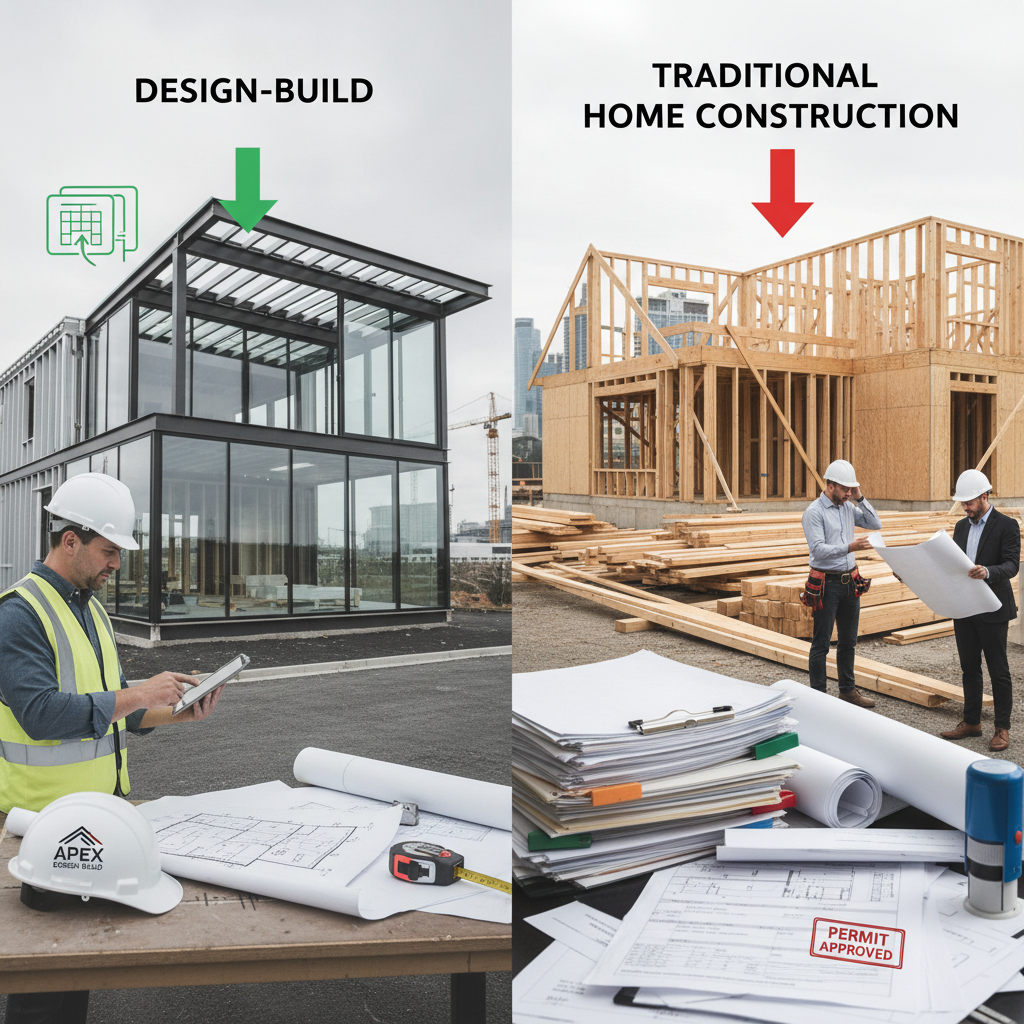
Most people start a home project thinking about paint colors, kitchen islands, and where the couch will go. Especially when planning something like a kitchen renovation in Toronto, homeowners often dream about it. They don’t usually think about emails. Or waiting. Or figuring out who is responsible when something doesn’t match the drawing. But that part, the process, is exactly why understanding design-build vs traditional home construction matters before you begin. The structure you choose won’t just decide how your house is built… it decides how smooth (or stressful) the journey feels. Let’s break it down in a simple, real-life way. First, What’s the actual difference? When people compare design-build vs traditional construction, they’re really comparing how many people you hire and how they work together. In the design-build construction method, one company handles everything, planning, drawings, budgeting, and construction. You share your ideas once, and the same team carries them through to the end. In traditional home construction vs design-build, you hire an architect to design first, then a contractor to build. Both are professionals, but they work under separate agreements. That means information travels between them… often through you. Both approaches can build a beautiful home. But they feel very different while happening. When Something Goes Wrong (Because Something Always Does) This is where the biggest difference shows up in design-build vs traditional home construction. Imagine a wall needs to move because of plumbing. In design-build: The team discusses it internally and fixes it. In traditional construction: The contractor asks the architect → the architect revises → approvals happen → work resumes. Nobody is doing anything wrong, it’s just how the system works. That’s why many homeowners researching traditional home construction vs design-build realize the real question isn’t construction quality… It’s coordination! Particularly in projects where several trades must work in perfect harmony, like kitchen renovations Mississauga residents do. Let’s Talk About Money (Honestly) During a design-build vs. traditional construction comparison, people often assume traditional is cheaper because they receive multiple bids. At first, it can look that way. But drawings are created before builders price real materials and real site conditions. So adjustments during construction turn into change orders. The total slowly climbs. The design-build construction method approaches budgeting differently. The builder and designer plan together from the start, shaping the design around realistic costs. Instead of surprises later, you make decisions earlier. This is why homeowners considering design-build construction pros and cons often say the final price feels more predictable, even if the initial estimate wasn’t the lowest. Time: Where Projects Quietly Expand With traditional construction, everything happens step-by-step: design → bids → revisions → approvals → build. If one step changes, several others pause. With the design-build construction method, planning overlaps. Permits, materials, and scheduling move forward while design details are finalized. So when comparing design-build vs. traditional home construction, the difference isn’t speed, it’s fewer idle weeks where nothing happens. Projects involving detailed spaces, such as high-end bathroom renovation ideas, benefit from fewer redesign stages.” Creativity: Does One Limit Your Ideas? A common fear during traditional home construction vs design-build research is losing creative freedom. In reality, both allow creativity, just at different moments. Traditional design: You dream first, then adjust to the budget later. Design-build: You design while knowing what things actually cost. When reviewing design-build construction pros and cons, many homeowners discover this prevents redesigning halfway through. Instead of removing features later, you refine them early. This approach works well for homeowners interested in innovative remodeling for luxury homes because design and feasibility are developed together Stress (The Part Nobody Puts in Brochures) Construction is emotional. You’re making decisions about a place you’ll live in. In traditional construction, communication passes through multiple channels, so you may coordinate more conversations. In the design-build construction method, communication is centralized. Fewer phone calls. Fewer “let me check with them” moments. That’s often why people comparing design-build vs traditional construction end up deciding based on peace of mind rather than technical differences. So Which One Should You Choose? There isn’t a universal winner in design-build vs traditional home construction, it depends on you. Choose design-build if you want: Choose traditional if you want: Understanding design-build construction pros and cons helps you match the process to your personality, not just the project. And it’s something any homeowner should discuss with a home renovation company in Brampton or any contractor before starting. The Simple Takeaway Both methods can build the same house. But they won’t feel the same while happening. The real decision in design-build vs. traditional home construction isn’t just about walls and floors, it’s about how you want the months of construction to unfold in your daily life. Because long after the paint dries, most homeowners remember one thing clearly: Not the tile pattern. Not the cabinet handles. They remember whether the experience felt manageable… or overwhelming.

12 Stunning Home Addition Ideas in 2026

12 Stunning Home Addition Ideas in 2026

There’s a moment every homeowner reaches. You love your neighborhood. You’re comfortable where you are. But suddenly, your home starts feeling… small. Not in square footage, but in how it supports your life today. In 2026, homeowners aren’t rushing to move, they’re choosing smarter home expansion ideas that reshape their existing space to match how they actually live. Work-from-home routines, multi-generational families, wellness-focused design, and sustainability are all redefining what a “dream home” looks like. Here are 12 future-forward home addition ideas that don’t just add space, they add meaning, comfort, and long-term value. The Home Office That Actually Feels Like an Office Let’s be honest, working from the dining table was never a long-term plan. The modern home office addition is designed for focus and flow. Think soundproof walls, natural light, smart lighting systems, and built-in storage that keeps clutter out of sight. These smart home additions help you mentally “clock in” and “clock out,” restoring balance between work and life. It’s one of the most practical future-ready home additions you can make, and buyers love it too. Sunrooms That Feel Like a Daily Escape Imagine starting your morning surrounded by sunlight, greenery, and quiet. Sunroom extensions in 2026 are inspired by wellness and nature. Glass walls, skylights, and warm textures create a calming retreat that works just as well for reading, yoga, or evening conversations. These designs align beautifully with nature-inspired home renovation ideas, making your home feel lighter, both physically and emotionally! Second-Story Additions That Change Everything When there’s no room to grow outward, growing upward can completely transform your home. A second-story addition opens doors to new bedrooms, private lounges, or even a quiet retreat away from the main living areas. It’s one of the most impactful home expansion ideas for families who need more space without sacrificing their yard. And yes, it adds serious resale value! Modular Additions Built for the Future Modular home additions are quickly becoming a favorite in home addition trends for 2026, and for good reason. They’re efficient, sustainable, and flexible. Whether it’s a guest room today or a home gym tomorrow, modular designs adapt as your life changes. Less construction time, less disruption, and more control over your layout. It’s a smart design without the stress. In-Law Suites That Balance Privacy and Togetherness Multi-generational living isn’t about crowding, it’s about connection done right. In-law suites create a sense of independence with private entrances, bathrooms, and living areas, while keeping family close. These residential home additions are thoughtful, future-proof, and increasingly in demand. They’re not just practical, they’re deeply personal! Living Room Expansions That Bring People Together The living room has become the heart of the home again. Open-concept expansions remove barriers and invite light, movement, and conversation. Larger layouts allow families to gather naturally, without feeling boxed in. This is modern comfort at its best and a core feature of modern home expansion designs. Garage Conversions That Unlock Hidden Potential That garage full of boxes? It’s valuable space waiting to be reimagined. From home gyms to rental suites or creative studios, garage conversions are one of the most underrated home addition ideas that add value. They’re ideal for homeowners seeking smart upgrades without expanding the footprint. Sometimes, the best space is already there. Kitchen & Dining Extensions That Redefine Daily Life In 2026, kitchens are where life happens. A kitchen and dining extension creates room for oversized islands, walk-in pantries, and open dining zones that feel inviting, not cramped. If you’re considering a kitchen renovation in Brampton, extending the space can completely change how your home functions day to day. Cooking becomes social again, just as it should be. Sustainable Additions That Work Smarter, Not Harder Energy efficiency isn’t a trend, it’s the standard! Sustainable home additions use better insulation, high-performance windows, smart thermostats, and solar-ready layouts. These eco-friendly home additions reduce long-term costs while making your home more resilient and comfortable. Your home should care for you, and the planet! Backyard Living Spaces That Feel Like a Resort Why travel when your backyard can feel like a getaway? Enclosed patios, garden rooms, and covered decks extend your living space outdoors while keeping it usable year-round. These indoor-outdoor living spaces bring relaxation, entertainment, and flexibility into your everyday routine. It’s vacation energy, at home! Luxury Primary Suites Designed for Real Relaxation A primary suite addition is about more than square footage; it’s about how you unwind. Spa-style bathrooms, walk-in closets, and private seating areas turn your bedroom into a personal sanctuary. Among all luxury home addition ideas, this one offers the biggest lifestyle upgrade. You deserve a space that helps you slow down. Multi-Purpose Rooms That Evolve With You The best homes aren’t rigid, they’re adaptable. Multi-purpose rooms can shift from guest space to office, gym, or playroom as life changes. These future home design ideas ensure your home stays relevant for years, not just today. Flexibility is the real luxury. Thinking About Renovating in 2026? Before you commit, take time to plan. Budgeting, permits, and long-term goals matter more than ever. Many homeowners find themselves deciding whether to renovate or sell, and a thoughtfully designed addition often becomes the reason to stay. Work With Local Experts Who Understand Your Vision Whether you’re planning a home renovation in Brampton or Mississauga, Ontario, working with professionals who understand local regulations and modern design trends makes all the difference. Final Thoughts Home additions in 2026 aren’t about building bigger, they’re about living better. With the right vision, these home expansion ideas can transform your house into a space that supports your lifestyle today and evolves with you tomorrow. So, a well-designed home addition can give you the space you need, without the stress of buying again. Let’s explore smart, future-ready expansion options tailored to your home. Explore Home Expansion Options!

7 Factors to Consider When Building Your Custom Home

7 Factors to Consider When Building Your Custom Home

Why Building a Custom Home Is a Big (and Exciting) Decision?  Building a custom home isn’t just about bricks and blueprints, it’s about creating a space that actually fits your lifestyle. From understanding factors to consider when building a house to planning for custom home building costs, there’s a lot to think through before construction begins. In this guide, I’ll walk you through the most important things to consider, in simple terms, so you can feel confident at every step of the journey. 1. Start With a Realistic Budget (and Expect a Few Surprises) One of the first questions people ask is about custom home building costs, and honestly, it’s where most decisions begin. Beyond the basic construction price, there are design upgrades, permits, material choices, and sometimes hidden costs that pop up along the way. This is where smart custom home budget planning matters. Whether you’re dreaming of a modest build or aiming for a high-end design, knowing what affects the cost of building a custom home helps you avoid stress later.  I usually recommend leaving a buffer in your budget, it gives you flexibility if you decide to upgrade features or materials mid-build. 2. Choosing the Right Location & Builder Makes All the Difference Your custom home is only as good as the team behind it. Working with experienced custom home builders in Toronto can completely change your experience. Homeowners get smoother timelines and better quality control.  This is also the stage where people compare design-build firms, residential specialists, and even a commercial construction company in Toronto, on which homeowners rely for larger-scale expertise. The key is finding a builder who understands your vision and communicates clearly throughout the process. 3. Designing a Home That Fits Your Lifestyle (Not Just Trends) This is the fun part, designing a home that feels like you. Instead of copying what’s popular, think about how you actually live. Do you love open spaces? Need a home office? Dream of a chef-style kitchen? Many homeowners investing in luxury custom home features focus on long-term comfort, things like smart home automation, energy-efficient layouts, and flexible living spaces. A well-planned custom home design balances personal taste with practical planning so your home still works years down the road. 4. Understanding the Construction Process (So Nothing Feels Overwhelming) For first-time builders, the custom home construction process can feel confusing. There are approvals, permits, timelines, and multiple stages of work happening at once. Knowing what to expect helps reduce anxiety and keeps everything on track. This is also a good moment to think ahead, if you’re upgrading existing spaces or planning add-ons later, insights from kitchen renovation in Brampton projects or renovation-based experiences can be surprisingly helpful. 5. Prioritizing Features That Add Real Value Not all upgrades are created equal. Some luxury custom home features look great but don’t add much value, while others, like high-end kitchens, spa-style bathrooms, and energy-efficient systems, can make a huge difference. Instead of overloading your home with extras, focus on features that enhance daily living. Think durable materials, smart layouts, and future-ready designs inspired by top home renovation trends for 2026 . 6. Planning for Life During (or After) Construction If you’re building on an existing property or renovating before moving in, you’ll want to plan for the in-between phase.  Many homeowners underestimate how disruptive construction can be, which is why learning tips for staying in your home during renovations can save time, money, and sanity. Even if you’re not living onsite, having a plan for inspections, site visits, and communication with your builder makes the process much smoother. 7. Thinking Long-Term: Maintenance, Growth & Future Renovations A great custom home isn’t just built for today, it’s designed for the future. Whether you plan to expand, renovate, or simply maintain your home over time, early decisions can make future upgrades easier. Choosing adaptable layouts, quality materials, and designs that align with upcoming home renovation trends helps your home grow with you instead of limiting you. Final Thoughts: Build Smart, Build Confident When you understand the key factors to consider when building a house, the process feels far less intimidating. From managing custom home building costs to choosing the right builder and features, every decision plays a role in creating a home you’ll truly enjoy. A well-planned custom home isn’t just a project, it’s an investment in your lifestyle, comfort, and future.

Innovative Remodeling Ideas for Modern Luxurious Homes

Innovative Remodeling Ideas for Modern Luxurious Homes

Let’s Talk About What “Luxury” Really Means Today! When most people hear the term “luxury home renovation,” they imagine expensive materials or picture-perfect interiors. But real luxury today feels a little different. It’s about walking into your home and feeling instantly comfortable. It’s about spaces that work with your lifestyle, not against it. Modern luxury homes aren’t trying to impress everyone. They’re designed to make everyday living easier, calmer, and more enjoyable. Whether you’re planning a full luxury home remodeling project or just refreshing a few areas, innovation now focuses on comfort, personalization, and smart design choices. Smart Homes That Feel Effortless, Not Complicated One of the nicest things about modern luxury home renovation is how smart technology blends into daily life. We’re not talking about flashy gadgets everywhere. Instead, it’s lighting that adjusts on its own, temperature settings that feel “just right,” and security systems that quietly do their job in the background. Smart luxury home design works best when you hardly notice it. These technology-driven home renovations are all about convenience, saving time, energy, and effort, while keeping the home feeling warm and welcoming. Luxury should make life simpler, not more technical. Spaces Designed Around How You Actually Live Homes today need to be flexible. That’s why open-concept luxury home design has become so popular. It allows rooms to flow naturally, makes spaces feel larger, and brings people together without walls getting in the way. But innovation doesn’t mean following trends blindly. Custom luxury home remodeling is about tailoring the space to you, maybe a cozy reading corner, a comfortable work-from-home setup, or an easy transition to indoor-outdoor luxury living spaces. When a home fits your lifestyle, it automatically feels more luxurious. Kitchens That Invite Conversation Modern kitchens aren’t just places to cook anymore, they’re where life happens. Luxury kitchen remodeling ideas now focus on comfort as much as style. Think clean layouts, premium finishes for luxury homes, smart storage, and lighting that feels warm rather than harsh. Innovative home remodeling ideas often turn the kitchen into a social space, somewhere people naturally gather, talk, and spend time. A well-designed kitchen doesn’t try too hard. It just feels right. Bathrooms That Help You Slow Down A spa-inspired luxury bathroom remodel can completely change how your day starts and ends. Simple things like heated floors, soft lighting, and calming textures create a sense of relaxation you didn’t know you were missing. Luxury home renovation ideas in Mississauga today focus a lot on wellness. Bathrooms are no longer just functional, they’re places to pause, breathe, and recharge.The tiniest improvements can sometimes have the greatest impact. Sustainable Choices That Still Feel High-End Luxury and sustainability now go hand in hand. Energy-efficient luxury renovations are becoming a natural part of modern remodeling, not because they’re trendy, but because they make sense. Using better insulation, efficient systems, and thoughtful materials improves comfort while reducing long-term costs. Sustainable luxury home renovation in Mississauga isn’t about sacrificing style; it’s about making smart choices that feel good now and in the future. Remodeling With an Eye on the Future While comfort matters most, it’s also smart to think long-term. Many homeowners look for best home improvements for resale value when planning their renovations. Well-planned luxury upgrades, those that focus on quality, timeless design, and functionality, tend to hold their value. Even if selling isn’t on your radar today, it’s always good to know your investment is working in your favor. Updating Older or Heritage Homes the Right Way Remodeling older homes comes with its own charm and responsibility. Following heritage property renovation guidelines helps protect the character that made the home special in the first place. The goal isn’t to erase the past, it’s to blend modern comfort with original details. When done thoughtfully, heritage luxury homes can feel both timeless and completely livable. Why the Right Renovation Team Matters Great ideas are only half the story. The whole renovation process goes more smoothly when you work with seasoned experts, particularly those who are knowledgeable in building construction in Toronto. Luxury remodeling requires attention to detail, planning, and craftsmanship. The right team understands that your home isn’t just a project, it’s personal. Final Thoughts: Luxury Should Feel Like Home At the end of the day, the best innovative home remodeling ideas are the ones that make your home feel more like you. Not perfect. Not overdesigned. Just comfortable, thoughtful, and easy to live in. Modern luxury isn’t about showing off, it’s about feeling at home, every single day.

How to Live in Your Home During Renovation

How to Live in Your Home During Renovation

Renovating your home can feel like a rollercoaster, exciting, but also chaotic. The noise, dust, and constant disruptions can make even the most patient person feel overwhelmed.  However, living in your home during a remodel doesn’t have to be miserable. With a little planning, organization, and a few clever hacks, you can survive your home renovation while staying sane and comfortable. Here’s your ultimate renovation survival checklist. Plan Ahead to Reduce Stress The first step to surviving a home remodel is planning. Sit down and create a timeline of the renovation phases, so you know what to expect.  For example, if your kitchen is being remodeled in Toronto, consider a temporary setup in another part of the house or even a small outdoor cooking station. Knowing what’s coming helps you avoid last-minute chaos and keeps everyone in the house on the same page.  This is also a good time to call local services like home remodeling Toronto, home renovations Brampton, or home renovations Mississauga for guidance on contractors, materials, and timelines. Create Temporary Zones Living through a remodel means you need some areas of calm. Set up temporary living zones where you can cook, relax, and sleep without tripping over tools or stepping in paint.  For example, if your bathroom is under construction, set up a “temporary bathroom” with a portable shower or use a neighbor’s or relative’s facilities.  If your living room is being updated, consider converting a bedroom into a temporary lounge area. This simple step makes day-to-day life much more manageable. Stay Organized During Renovations Organization is key when living in a construction zone. Keep tools, paint, and materials in a dedicated area to prevent accidents.  Label boxes, create a checklist for tasks, and plan your daily routines around construction hours. For instance, if flooring work is scheduled in your dining area, temporarily move furniture and protect your remaining floors.  If you are still contemplating what to do, then check out guides like best flooring options for home remodeling tips on temporary protective measures. Keeping everything organized will save you time, frustration, and stress. Manage Noise, Dust, and Safety Noise and dust are inevitable during remodeling, but there are ways to cope. Invest in noise-canceling headphones or create a quiet zone in a part of the house away from construction. Seal off dusty areas with plastic sheets and ensure proper ventilation.  Safety should always come first, especially if you have children or pets. For example, use baby gates or barriers around work zones and wear masks when dust levels are high.  If your renovation involves a historic property, like renovating historic homes in Hamilton, the challenges might be greater, so taking extra safety measures is essential. Maintain a Routine Even during renovations, sticking to a routine can help maintain sanity. Meal times, work hours, and family activities should continue as normally as possible.  This not only helps with stress management but also keeps everyone in the house calm. For example, set up a temporary coffee station so your mornings aren’t disrupted, or create a cozy reading nook where you can escape the chaos. Keep Communication Open Regularly communicate with your contractor or renovation team. Ask about timelines, material deliveries, and potential delays. This prevents surprises and helps you plan daily life around the renovation schedule.  If you’re working with local contractors, don’t hesitate to ask them for tips, they often know clever hacks to minimize disruption. Take Breaks and Enjoy the Process Renovations can be stressful, but don’t forget to take a step back and enjoy the transformation. Celebrate small wins, like the completion of your new flooring or freshly painted walls. Treat it as a journey toward your dream home. Surviving a remodel is as much about mindset as it is about logistics. Final Thought Living in your home during a remodel doesn’t have to be a nightmare. With proper planning, organization, safety measures, and a few clever hacks, you can navigate the chaos with ease.  Whether it’s creating temporary zones, managing noise and dust, or keeping a clear communication line with your contractor, these home renovation survival tips will make the process smoother. Remember, the goal is to enjoy your home, even as it’s transforming. For comprehensive and region- specific home remodeling information in the Toronto GTA, Please visit Vulcan Hats Construction’s official website

Why drywall repair matters in home renovations

Why drywall repair matters in home Renovations

When people plan a home renovation, they usually get excited about the visible stuff, new floors, modern lighting, stylish kitchens, and fresh paint colours. Drywall repair rarely makes it into those initial conversations. It sounds boring, technical, and honestly… easy to ignore. But here’s something most homeowners only realize after the renovation is done: Your walls can make or break the entire look of your home. That’s exactly why drywall repair in home renovations matters far more than people think.Let’s dissect it in a straightforward, useful manner.  Drywall Is the Backbone of Your Interior Walls Drywall is everywhere, starting with your very own living rooms, bedrooms, kitchens, and hallways. Over time, it goes through a lot: furniture bumps, kids, pets, moisture, house settling, and even previous DIY fixes that weren’t done properly. By the time you decide to renovate, your drywall often has: During a renovation, all these flaws become impossible to hide. That’s when the importance of drywall repair really shows up. Why Drywall Repair Should Come Before Everything Else One of the biggest mistakes people make is thinking drywall repair can wait until the end. In reality, it should happen early in the renovation process. Why? Because drywall affects everything that comes after it, including paint, cabinets, tiles, lighting, and even the overall size and cleanliness of your space. Fresh Paint Makes Problems More Obvious This one often surprises many homeowners. New paint doesn’t hide imperfections, it highlights them. Once light hits freshly painted walls, every crack, bump, or uneven patch stands out. That’s why drywall patching and fixing before painting is essential if you want that smooth, professional finish. If you’re already investing in a renovation, skipping drywall repair just lowers the overall quality of the result. Drywall Repair Makes Renovations Look Clean and Polished You know when a home just feels well-finished? That usually comes down to the walls. Smooth drywall creates: Whether you’re doing a full home renovation in Brampton or planning home renovations in Mississauga, drywall repair helps everything look intentional and professionally done, not rushed or patched together. Kitchens Especially Need Proper Drywall Repair Kitchens are one of the toughest spaces for drywall. Heat, steam, grease, plumbing work, and cabinet installations all take a toll on the walls. If you’re planning a kitchen renovation service in Mississauga, drywall repair becomes even more important because: Ignoring drywall issues in kitchens often leads to cracks reappearing or finishes wearing out faster. Older Homes Almost Always Need Drywall Attention If your home isn’t newly built, drywall problems are pretty much guaranteed. Older homes often have: Renovation is the best time to fix these problems properly. Once new furniture, cabinets, or fixtures are installed, repairing drywall becomes more complicated and costly. Drywall Repair Also Adds Real Value to Your Home Even if you’re renovating with resale in mind, drywall repair is still worth the effort. Buyers may not know how to describe it, but they feel the difference when walls are smooth and clean. Good drywall work helps: Rooms look brighter and bigger Homes feel better maintained Renovations look more premium That’s why drywall repair fits naturally into renovations that pay off when you sell. It quietly improves your home’s overall appeal without screaming for attention. Don’t Forget Drywall in Outdoor-Connected Spaces Planning sunrooms, patio enclosures, or outdoor space renovation ideas in Toronto? Any area that connects indoor and outdoor environments needs extra drywall care. Temperature changes and moisture can damage walls faster in these spaces. Repairing and reinforcing drywall early helps prevent peeling paint, cracks, and long-term damage. DIY or Professional Drywall Repair? For tiny nail holes, DIY fixes are fine. But when it comes to: Large cracks Water damage Full-room renovations Professional drywall repair makes a huge difference. Experienced contractors know how to blend repairs seamlessly so walls look brand new, not patched. It also saves time and ensures your renovation lasts longer. Final Thoughts (Real Talk) Drywall repair might not be the most exciting part of a renovation, but it’s one of the most important. If you’re investing in a renovation, whether it’s a kitchen upgrade, full remodel, or targeted home renovation in Brampton or Mississauga, fixing your drywall first ensures: Better finishes Fewer future repairs A cleaner, more valuable home So before you choose paint colours or fixtures, take a good look at your walls. I assure you that your future self will be grateful.

×

    Book a Consultation